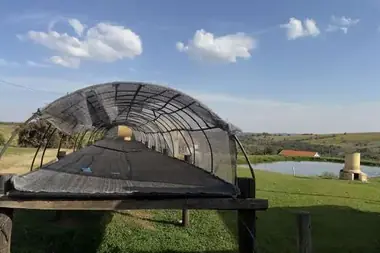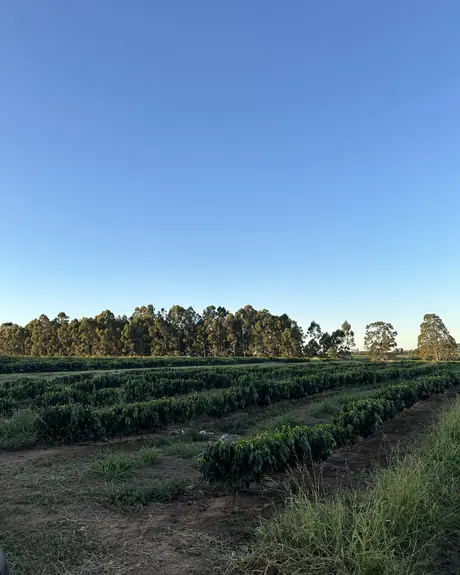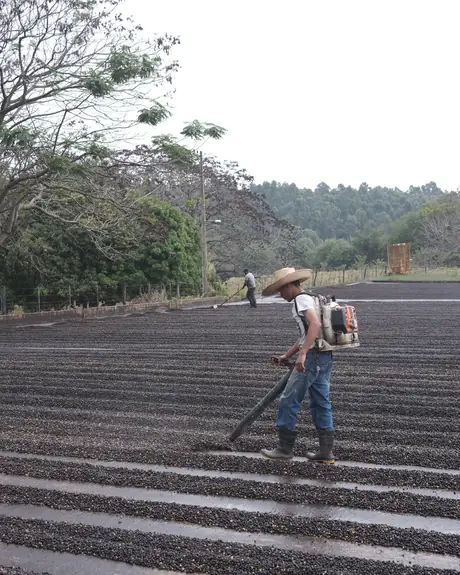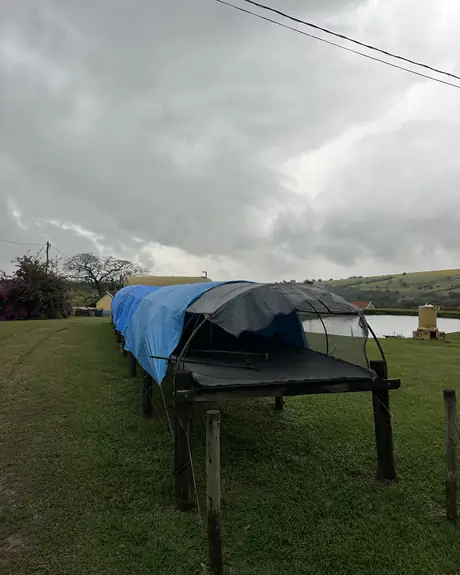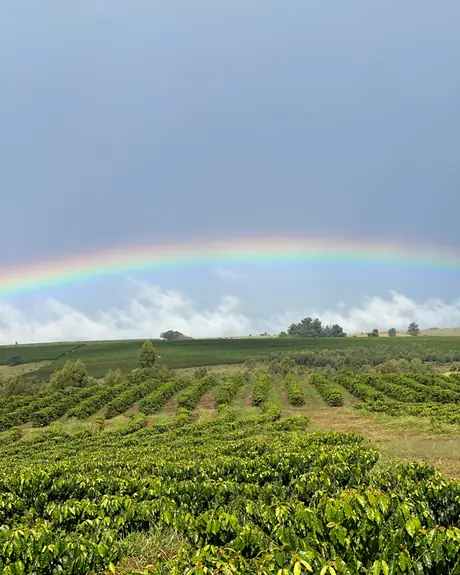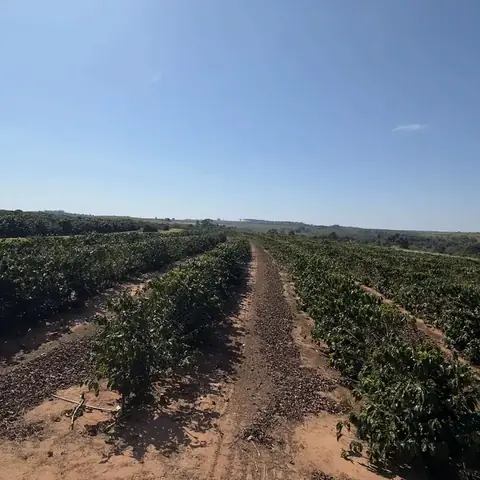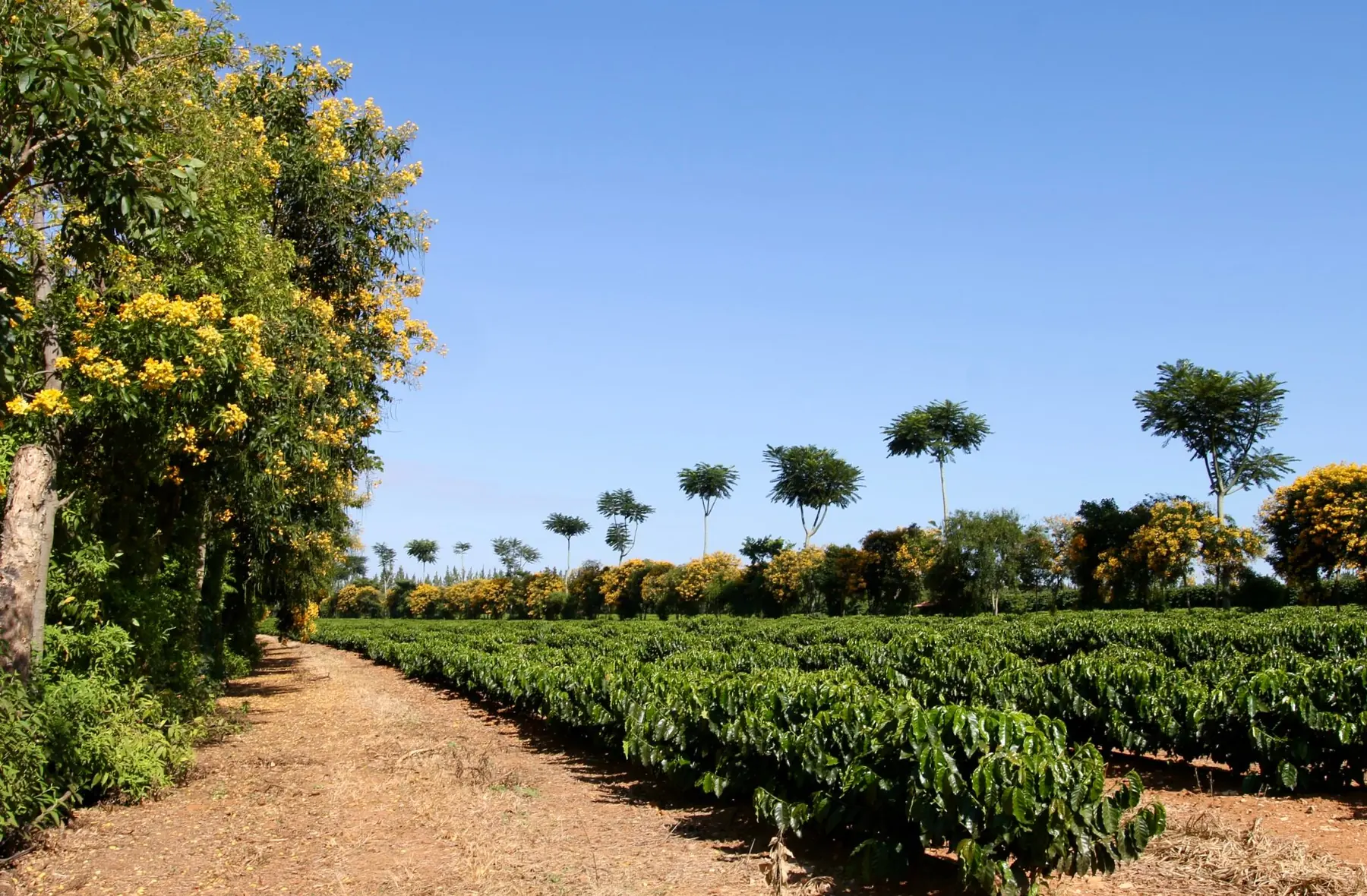
Coffee rows and flowering ipê trees under a clear sky in Brazil

Macaw is relationship-based by design. A coffee movement built from the farm up, nurturing a network where ecosystem health, regenerative practices, and farmer autonomy shape the quality of every cup.

Sustainable specialty coffee · Brazil

Why we are different

01

Genuinely enjoyable

The coffee has to stand on its own before any story is told. We want people to choose it for the quality, and stay for what's behind it. Pleasure and meaning, no trade-offs.

02

Conscious consumption, from bean to cup

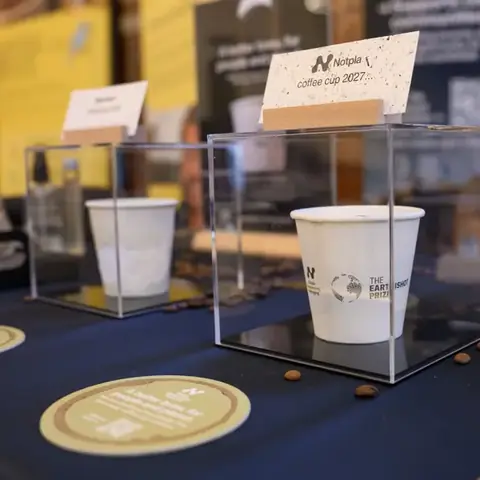
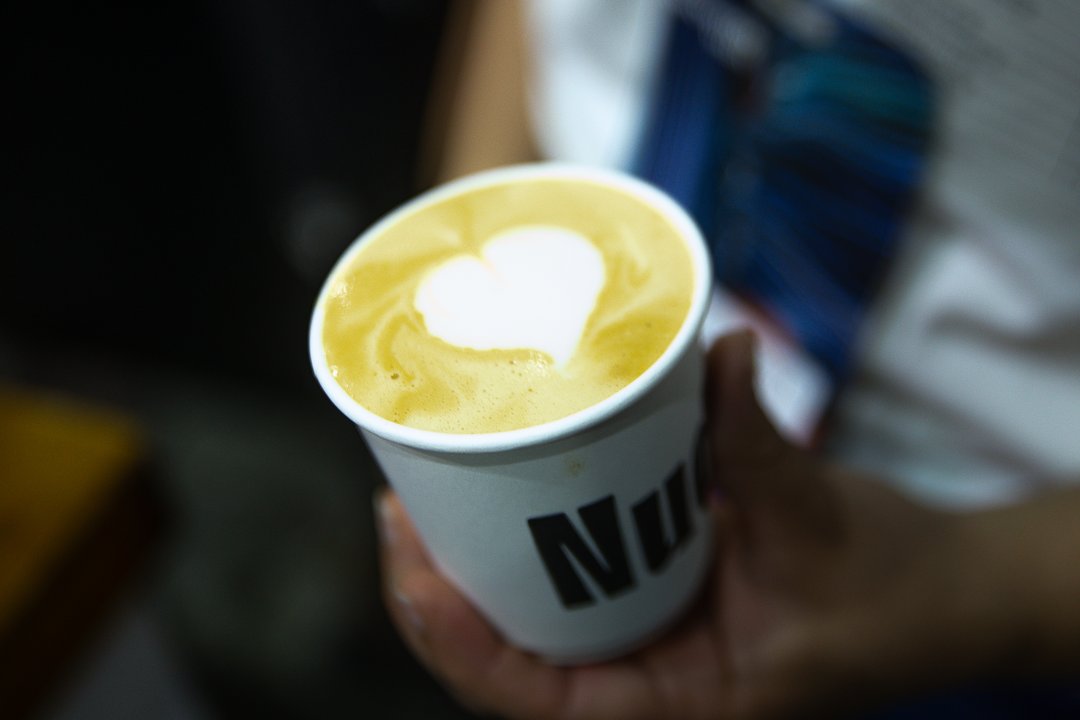
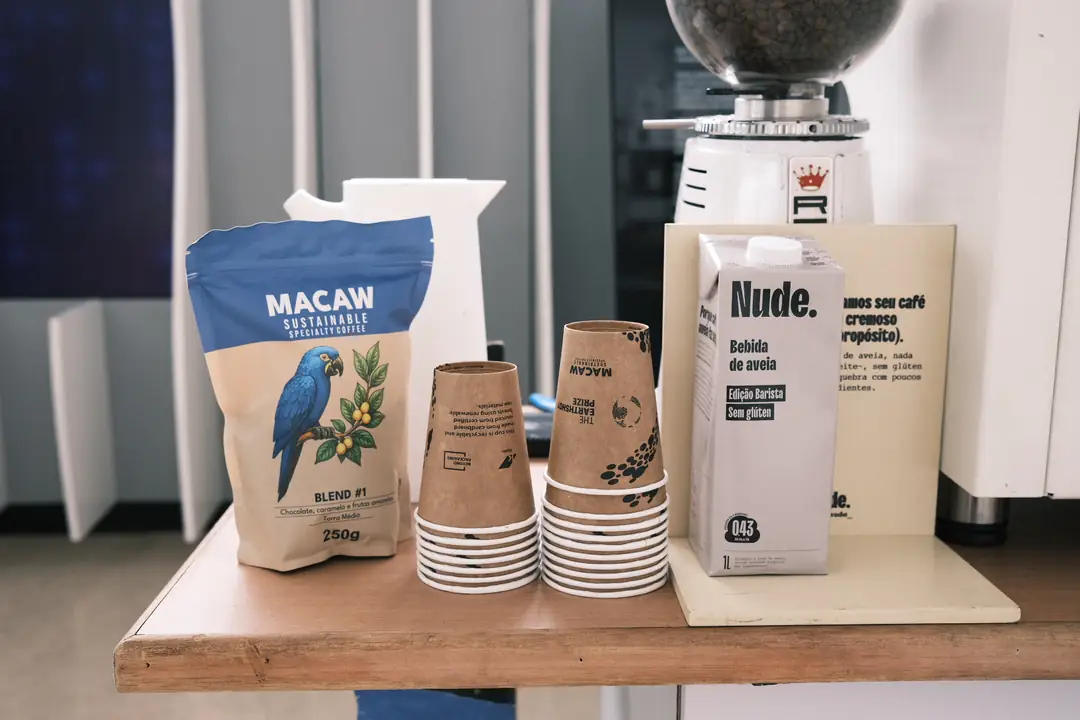
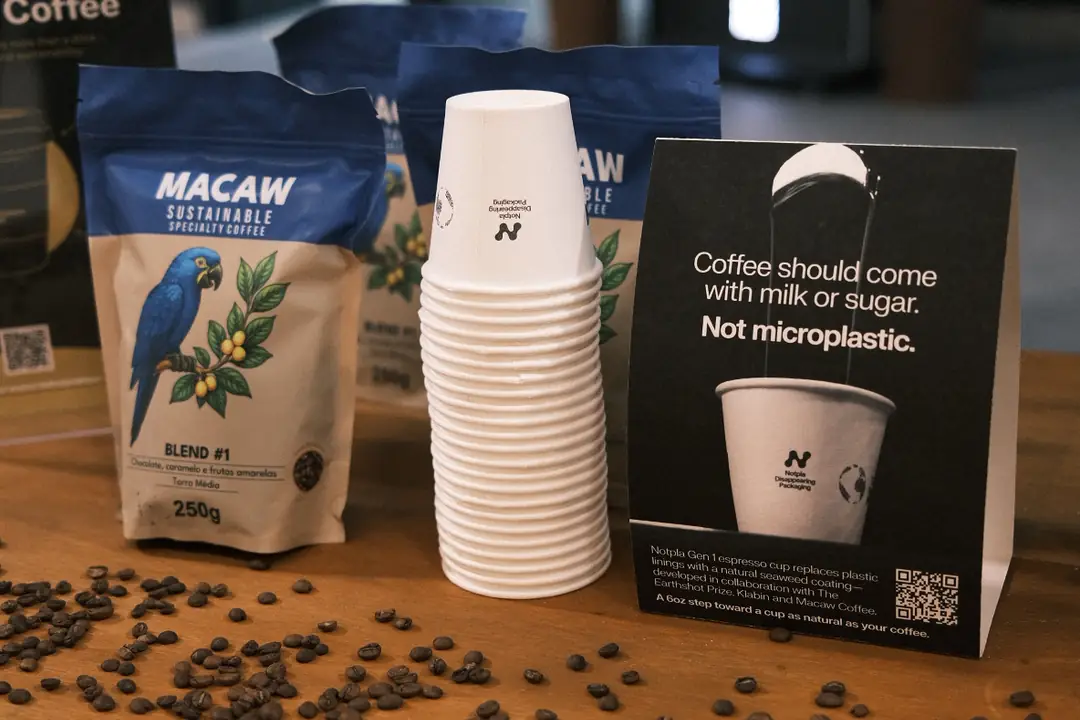
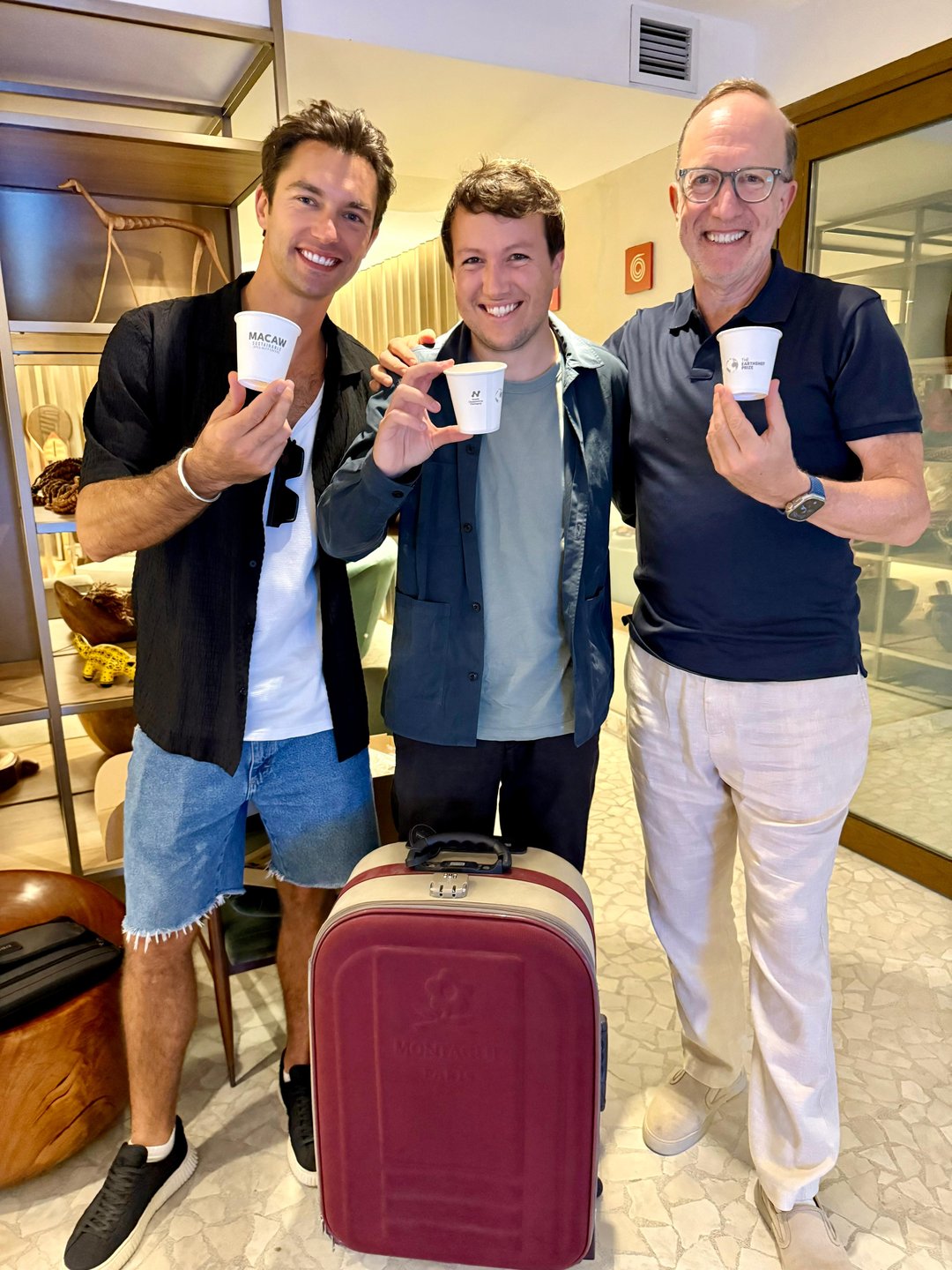
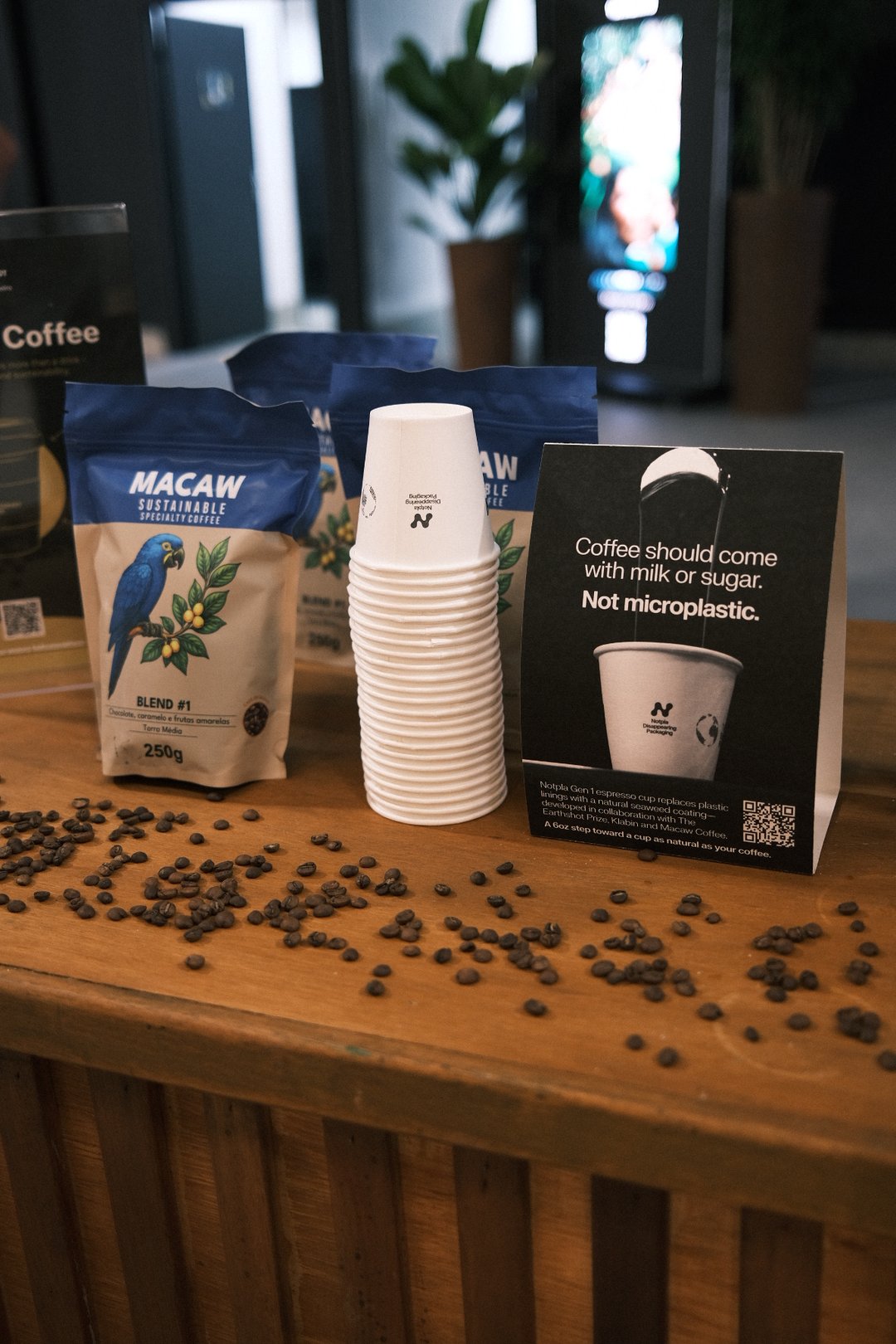
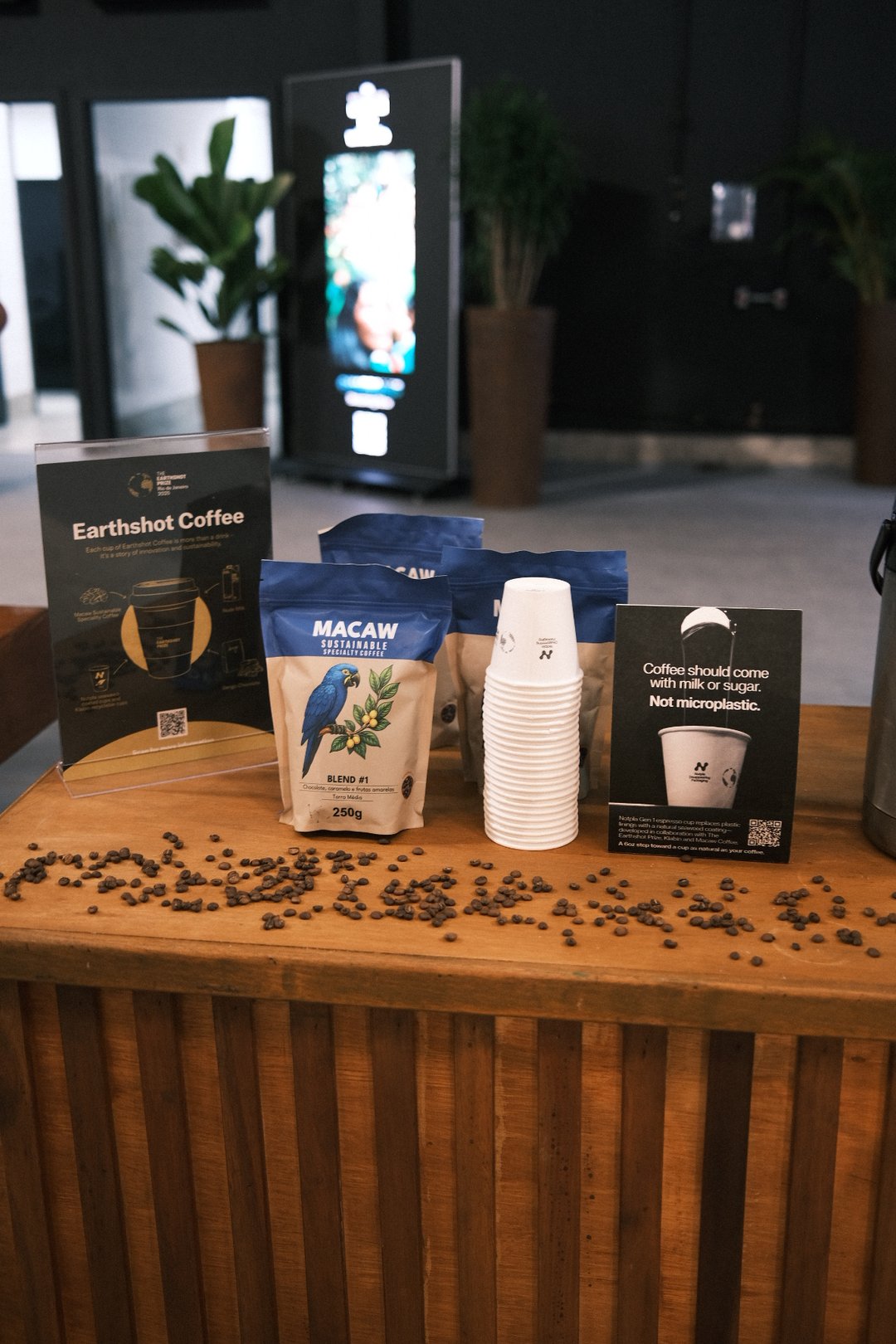
Every step is chosen with the same care. Farms that leave soil, water and biodiversity stronger each year. Pricing that reflects the skill behind the coffee. Roasting and packaging partners who share the standard. And cups from Earthshot Prize winner Notpla, so a daily ritual quietly supports better choices from the soil all the way to your hand.

03

Farmers first

Our journey begins with the farmers, our primary partners in quality and regeneration. We name them, celebrate them and pay a price that reflects their skill. Every bag is traceable to the farm, the harvest and the hands that grew it. Downstream, we choose who serves our coffee just as carefully: partners who care how it was grown.

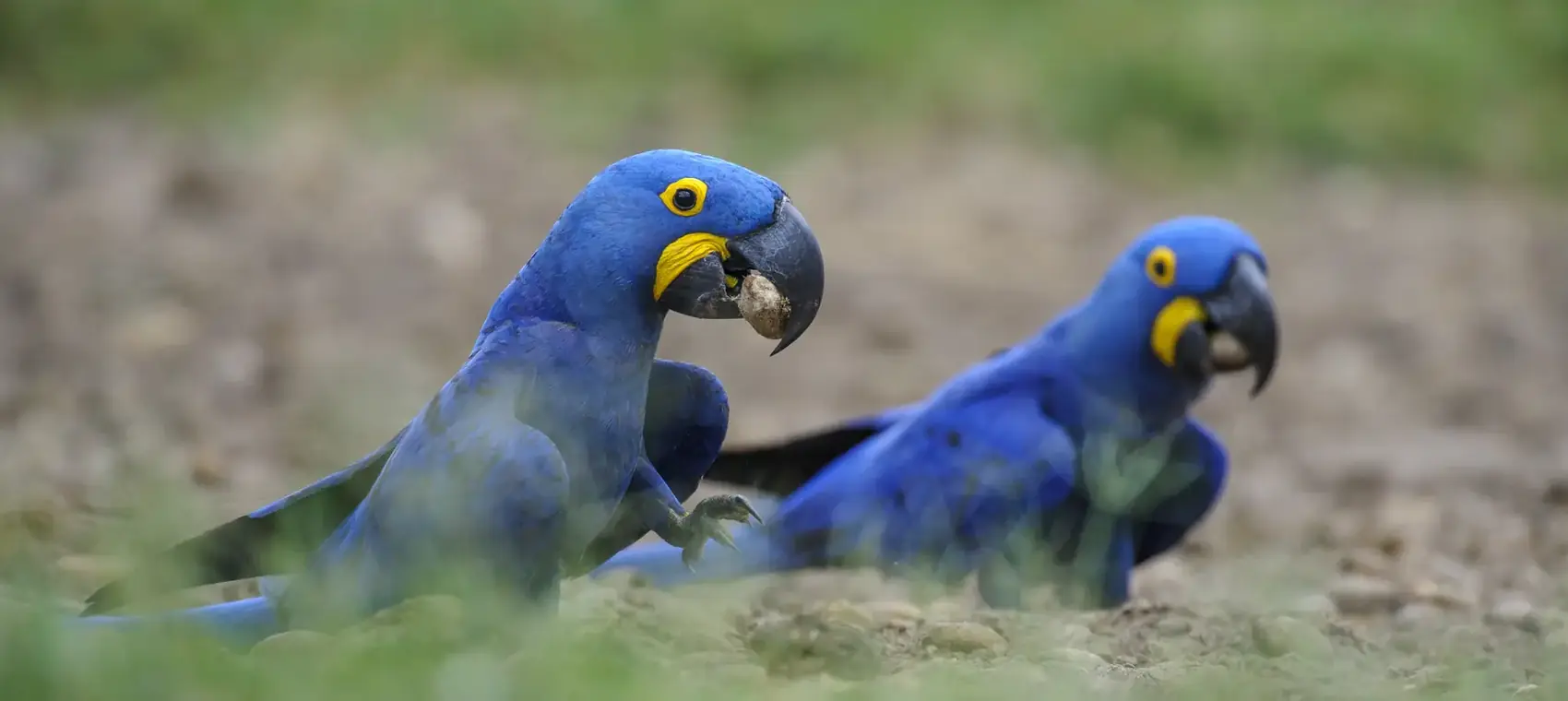
Two hyacinth macaws feeding on the ground in the Pantanal

Pantanal, Mato Grosso — Photograph Luciano Candisani

01 · Quality

The quality story

Copy to come

02 · Our Purpose

The system, not the metric

A farm should function as a living system where soil, water, carbon and biodiversity reinforce each other, held together by the people who farm it.

We define the standard first, then find the farms already doing this work, and those ready to meet it. The standard covers land and people equally: a living ecosystem, and a fairly paid community. Certification is the baseline, and our farms hold it. What it cannot show is how a place is actually run, so we look for evidence on the ground, in close relationship with the farmers who grow it.

Today we work with farms that already meet the standard. Our intent is to help others reach it.

Soil & water

Soil kept covered, springs protected rather than drawn down. Healthy soil carries the farm through drought.

Carbon

Trees, soil and cover crops draw carbon down. Emissions cut at source.

Biodiversity

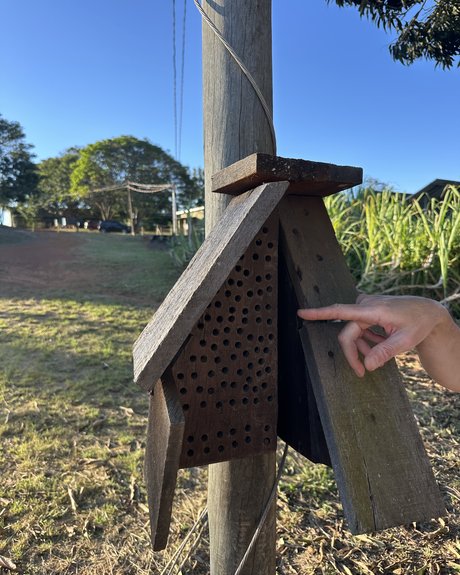
Native habitat restored alongside the coffee. Stingless bees are the live indicator, the maned wolf's return the proof.

People

Lasting relationships, and pricing that reflects the skill behind the coffee.

Origination

Our farms and farmers

Our farms and our farmers we learn from and celebrate.

01

Fazenda Água da Mata

Zito · Garça, São Paulo · 700m

The farm

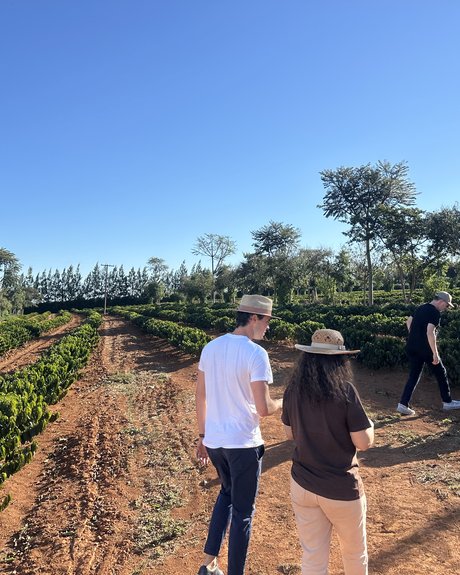
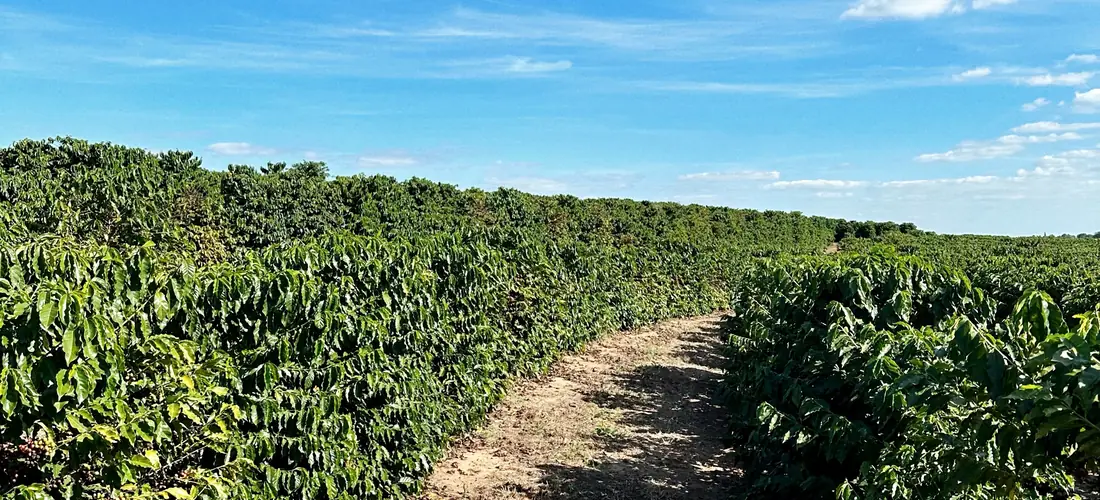
A family farm run by Zito, who took it over from his father. It sits at 700m in Garça, an origin recognised in 2022 with a Geographical Indication, Brazil's mark of a recognised coffee region. It is not a monoculture: alongside coffee they grow other crops and several coffee varieties.

How it's grown

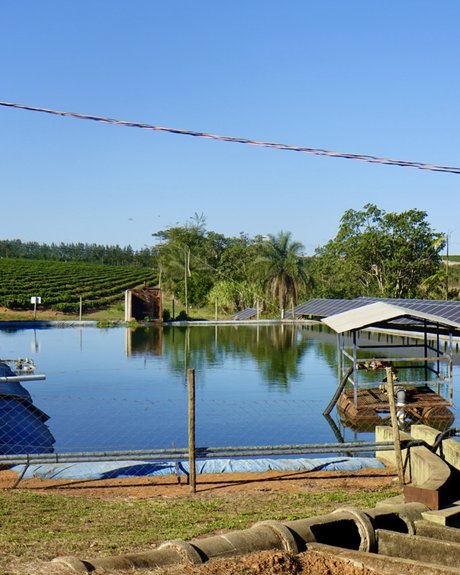
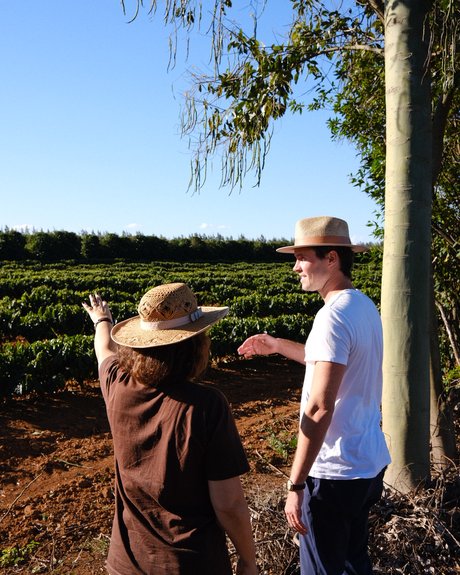
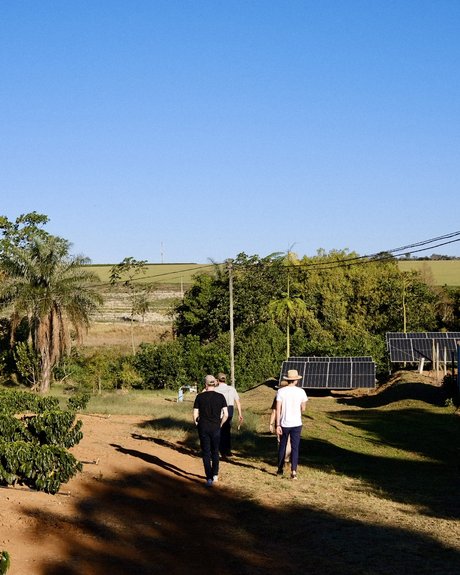
More than a third of the farm is native forest, replanted with threatened native species including pau-brasil, the tree the country is named after. A waterfall and natural springs sit inside the land, and overflow from the reservoir is piped back to feed them, so the farm sustains its own water. Fertiliser is made on site from composted manure, coffee husk and leaves. Tall ipê trees ring the farm as a windbreak, and part of the operation runs on solar.
Fazenda Água da MataFazenda Água da MataFazenda Água da MataFazenda Água da MataFazenda Água da MataFazenda Água da MataFazenda Água da MataFazenda Água da Mata
02

Fazenda Três Meninas

Paula Curiacos and Marcelo Urtado · Monte Carmelo, Cerrado Mineiro · 1,050m

The farm

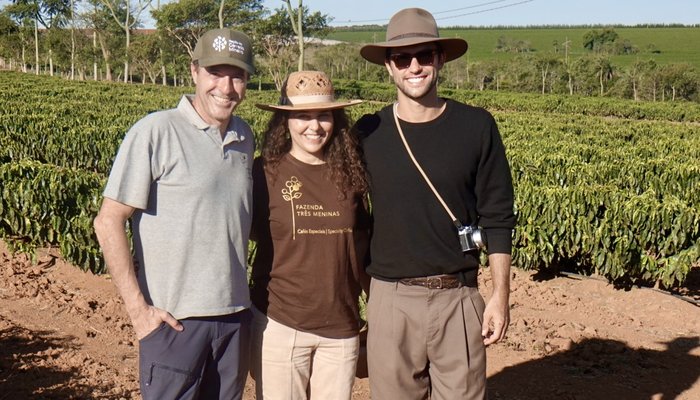
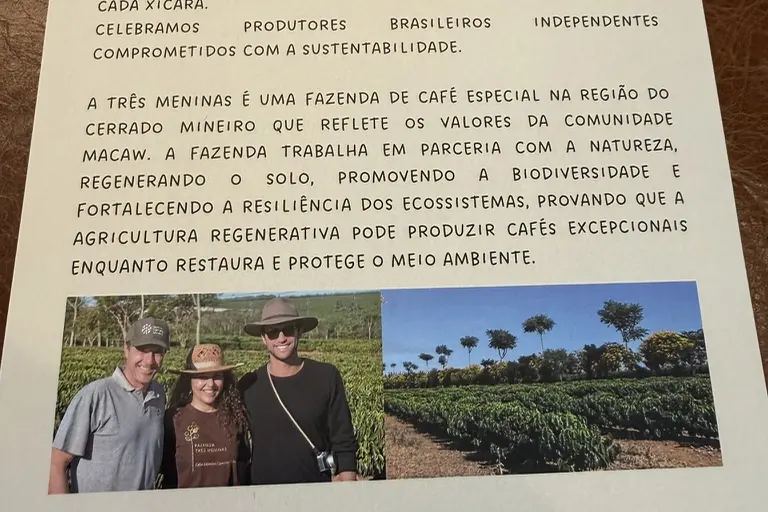
A small farm named after three women. Marcelo, an agronomist, and Paula, a zootechnician, bought the land and named it for the three women of the family: Paula and the couple's two daughters. Regenagri and Rainforest Alliance certified through Expocacer, the first coffee cooperative in the world to earn the regenerative seal.

How it's grown

The soil is never left bare, always covered by living plants or mulch. Rows of trees cross the coffee, drawing the insects that keep pests down and casting shade over the crop, with more than 11,500 planted to rebuild the canopy. Native stingless bees are kept between the rows as a living instrument: bees don't stay where a system is failing. A study with monteCCer and Imaflora recorded a negative carbon balance of 5.47 tonnes per hectare, placing the farm among the 5% most sustainable in the world.

Fazenda Três MeninasFazenda Três MeninasFazenda Três MeninasFazenda Três MeninasFazenda Três MeninasFazenda Três MeninasFazenda Três MeninasFazenda Três Meninas
03

Fazenda Honeybee

Rafael and Maíra · Ilicínea, Minas Gerais · 1,300m

The farm

A farm built around its water and its bees, run by Rafael and Maíra in Ilicínea. The plot we buy from has something special underfoot: the soil is rocky and highly permeable, so the land itself filters its water. And Honey Coffee lives up to the name. Walk between the rows and the whole place hums with bees working the flowers.

How it's grown

Rain filters through the rock and runs clean into the river, and with the proper permits that same water irrigates the coffee in the rainy season. Fertiliser comes from the farm and its neighbours: chicken and cattle manure composted with coffee husk, nothing from outside that could harm the water. Cover crops and living soil sit between the rows instead of bare earth, protecting the structure that makes the filtration work.

Fazenda HoneybeePhoto to comePhoto to comePhoto to come
04

Suruí

Paiter Suruí · Terra Indígena Sete de Setembro, Rondônia · 300–500m

The farm

Coffee grown as an act of reclamation. In 1969, colonisers made first contact with the Paiter Suruí, killed many of their ancestors and planted coffee on the land they took. In 1983, when the territory was demarcated and returned, the Suruí made a deliberate choice: to keep growing that same crop, fully aware of where it came from, as an instrument of reforestation.

How it's grown

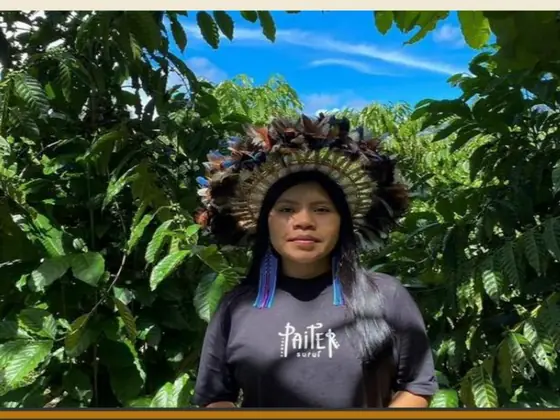
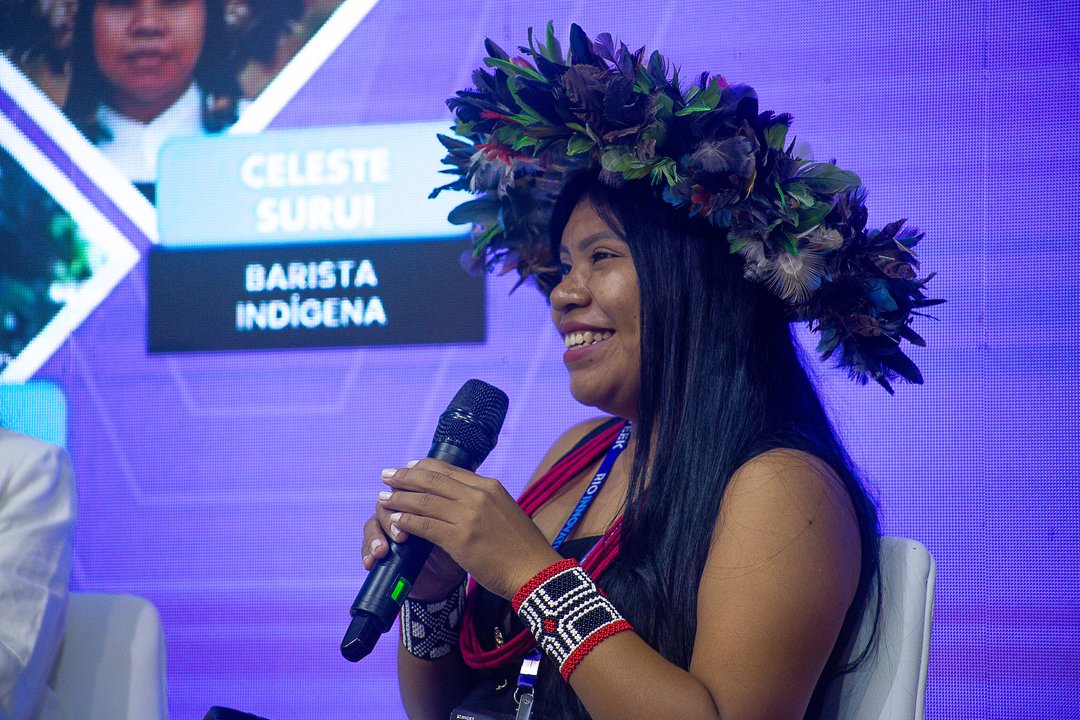
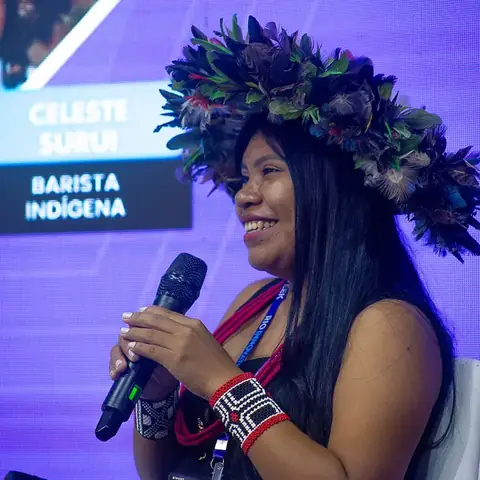
The coffee grows between cacao and cashew trees, planted for the shade they cast and for their place in Suruí culture, and that shapes the flavour in the cup. Celeste Suruí, Brazil's first Indigenous barista, represents the territory's coffee today, sold under the name Café Sarikab.

SuruíPhoto to comePhoto to comePhoto to come
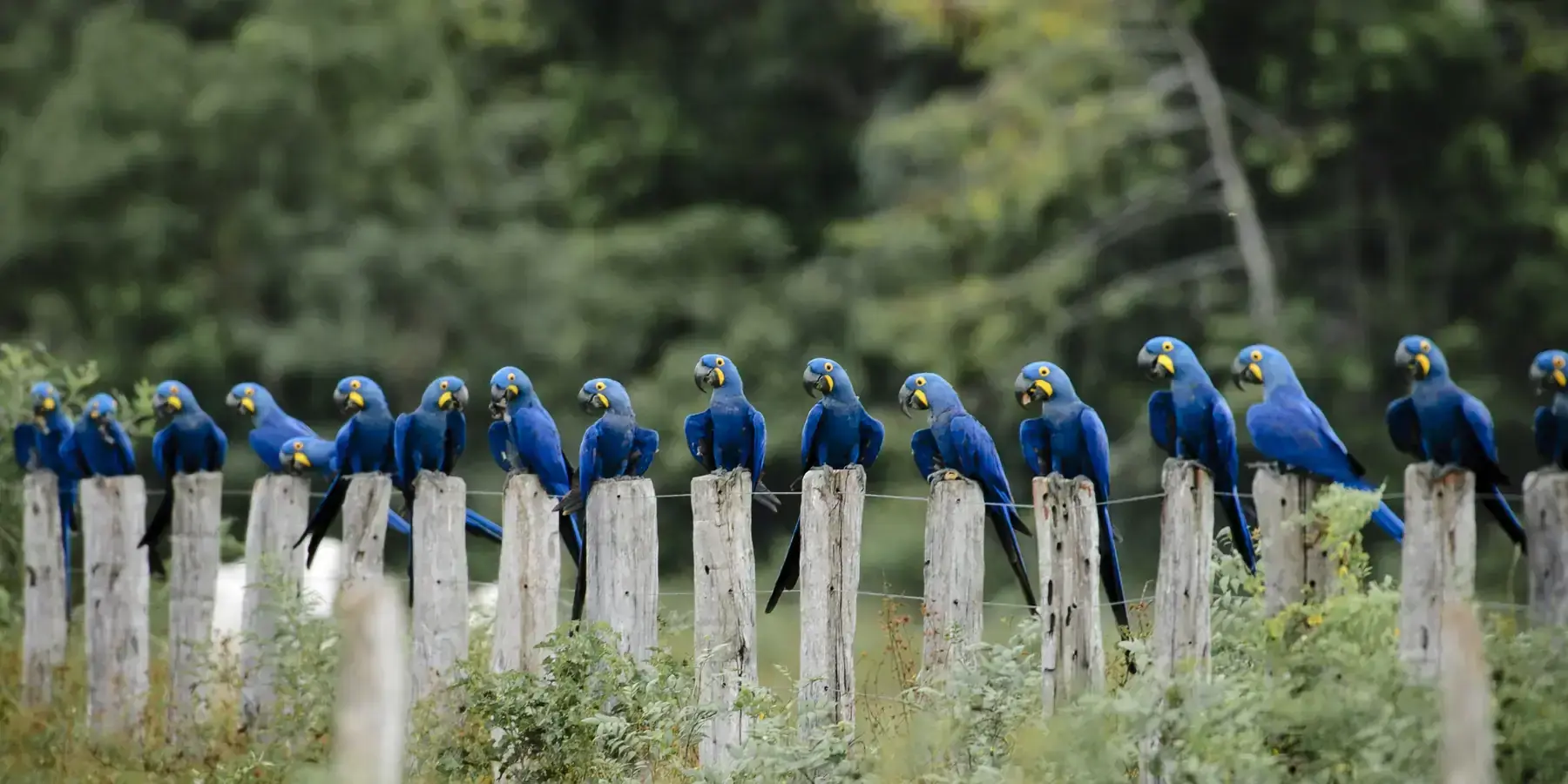
Hyacinth macaws gathered on fence posts in the Pantanal

I wanted to be a bird to better understand the ground.

Manoel de Barros

We believe that with care, life regenerates. This is why we honour the land as an agent of change.

Pantanal, Mato Grosso — Luciano Candisani

The name

Macaw started with a visit to the Pantanal

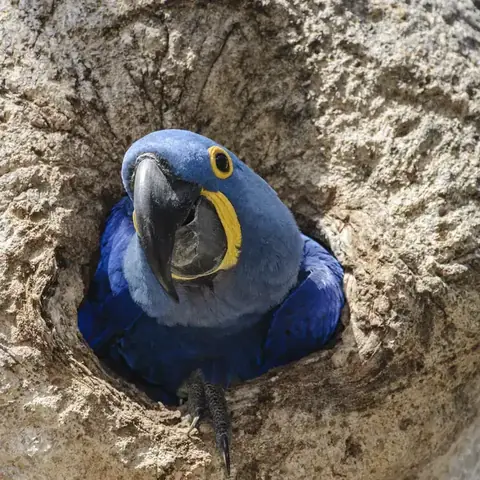
There we witnessed the revival of the Hyacinth Macaw. Once an endangered species, it flourishes again thanks to the commitment of the Hyacinth Macaw Project.

This is a story of renewal, relationship and responsibility.

03 · Our People

Meet the team

The people behind it

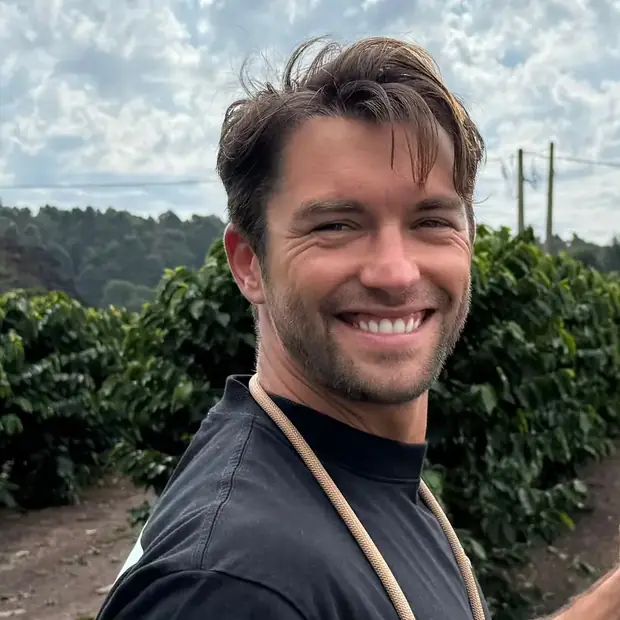
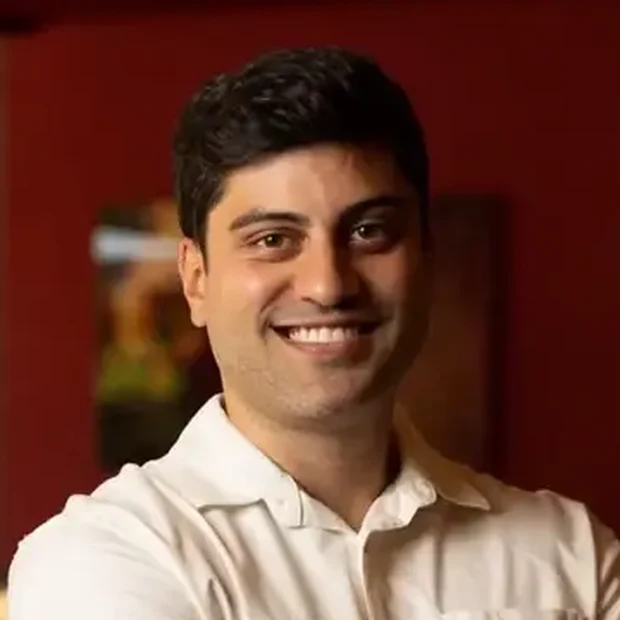
Lucas Garcez

Lucas Garcez

CEO and Co-Founder

After spending the past decade working internationally in the fashion industry, Lucas developed a global perspective on culture, craftsmanship, and branding. Inspired by his connection to Brazilian specialty coffee producers, he founded Macaw Coffee to share a more authentic vision of Brazilian specialty coffee with the world.

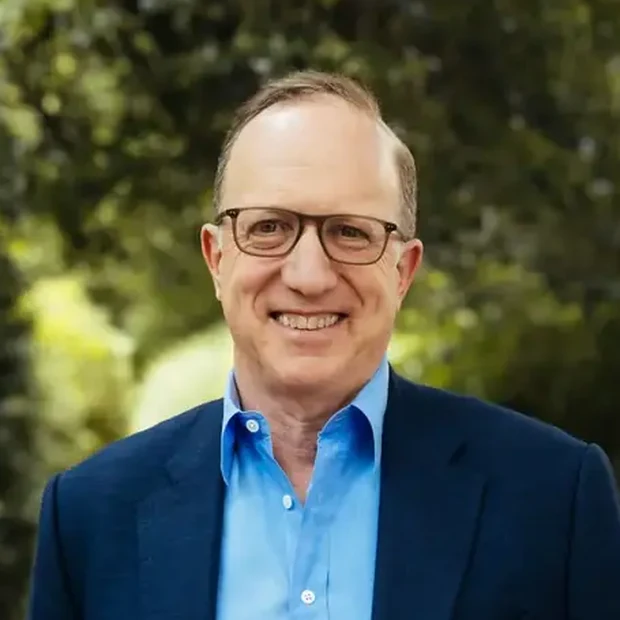
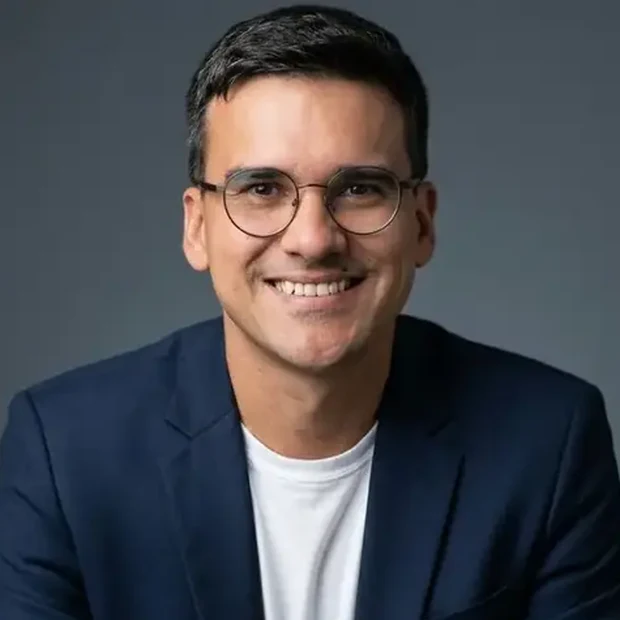
David Fein

David Fein

Co-Founder

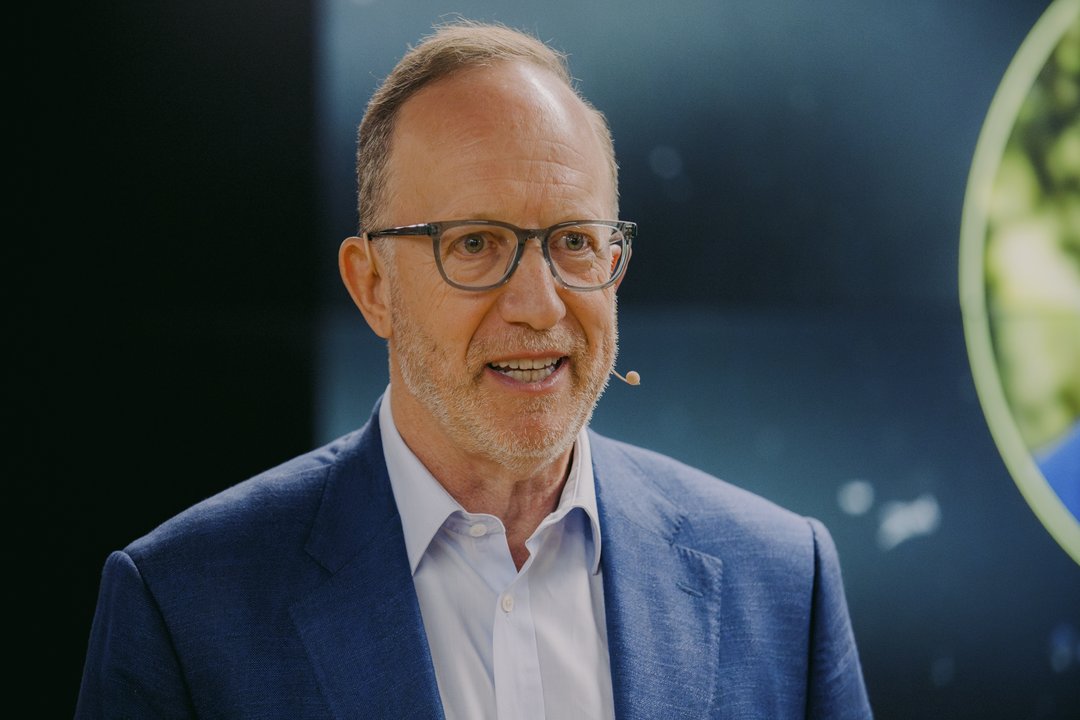
Vice Chair of the Earthshot Prize and Co-Chair of United for Wildlife, David brings extensive experience building partnerships for good, across public, private and not-for-profit sectors, with a particular focus on conservation, environment, and fighting crime. Previously, he held senior roles in government and banking, including Group General Counsel at Standard Chartered Bank, United States Attorney for the District of Connecticut under President Obama, and Associate White House Counsel under President Clinton.

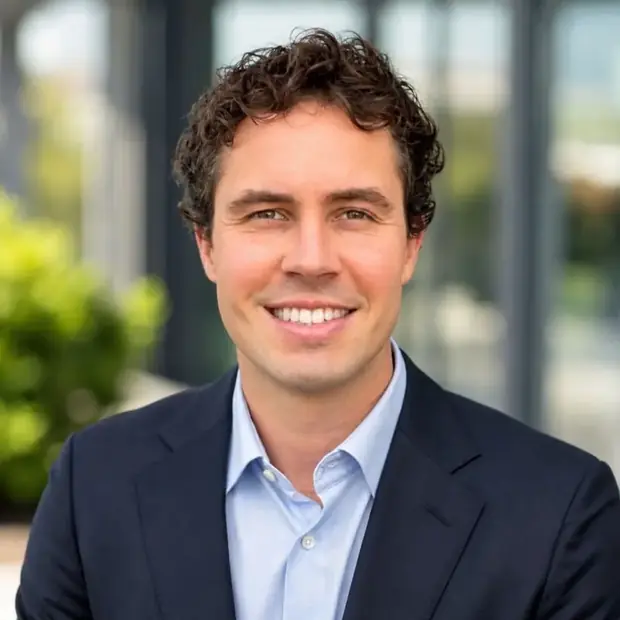
Marcelo Gregorio

Marcelo Gregorio

CSSO

Marcelo brings expertise in strategy, sustainability, and impact to Macaw Coffee. He holds a Master's degree in Sustainability from Harvard University and has worked across ESG, climate strategy, sustainable finance, and impact advisory through roles at Ernst & Young and Arup. At Macaw, he helps connect premium coffee, regenerative agriculture, and long-term brand value.

Gustavo Raguzzani

Gustavo Raguzzani

COO

Gustavo is a fractional COO with over 15 years of experience scaling food businesses across Brazil and the United States. He held leadership roles at JBS, Cacau Show, and Dengo Chocolates, leading industrial operations and growth strategy. Through GCR COO as a Service, he advises growth-stage food brands on operational scaling while maintaining product quality and brand identity.

Sergio Trigueiro

Sergio Trigueiro

CFO

Sergio is an operator and business builder with 15 years of experience scaling companies in Brazil. At Stone Co., he served as CFO of Cappta and COO of Menew, leading growth, product expansion, and operational strategy. He holds an Executive MBA from Insper and studied Business Management at the University of West Florida.

Partnerships are already happening

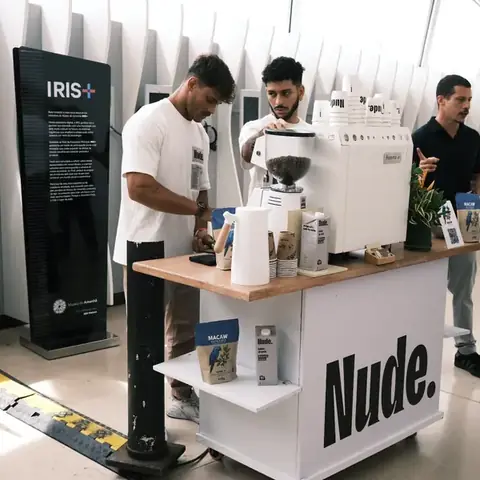
The Earthshot Prize Notpla Dengo The Conduit Onçafari Capim Santo Museu do Amanhã Embaixada do Brasil, Londres Science Museum Freshfields Nude. Rehagro Vella Pugliese Buosi Guidoni REBU
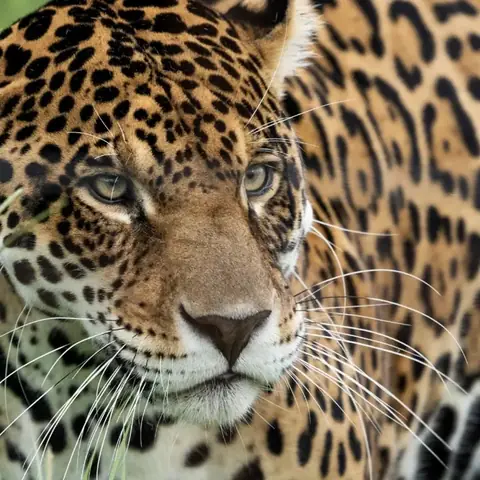
Celeste Suruí at Rio Innovation Week A hyacinth macaw in the Pantanal The Macaw team at Rio Innovation Week Guests in conversation at The Conduit Club Coffee rows at Fazenda Água da Mata A jaguar The plastic-free cup developed with Notpla Coffee on display at the Science Museum

04 · Our Journey

Where we have poured, and who was in the room

August 2026

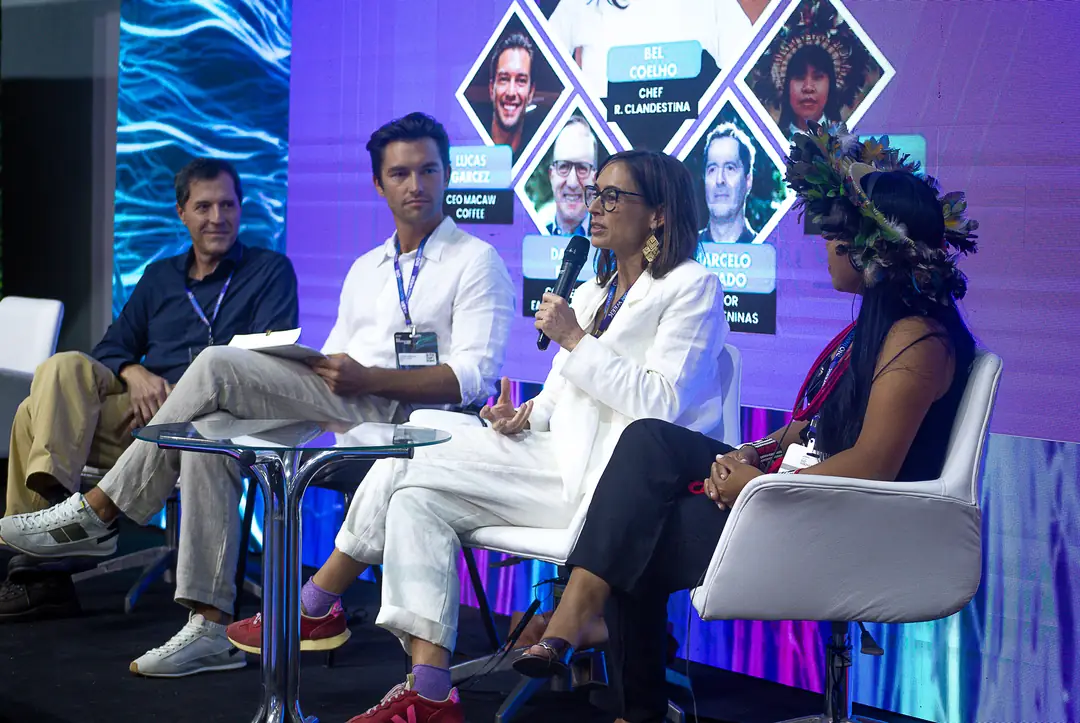
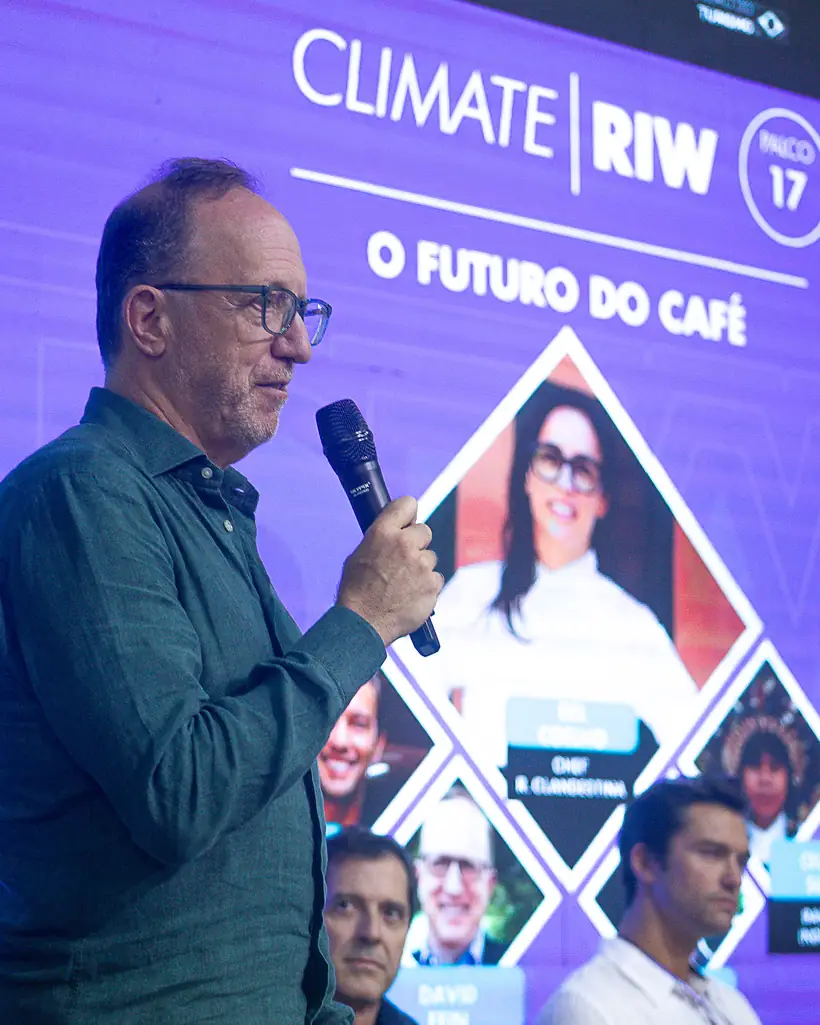
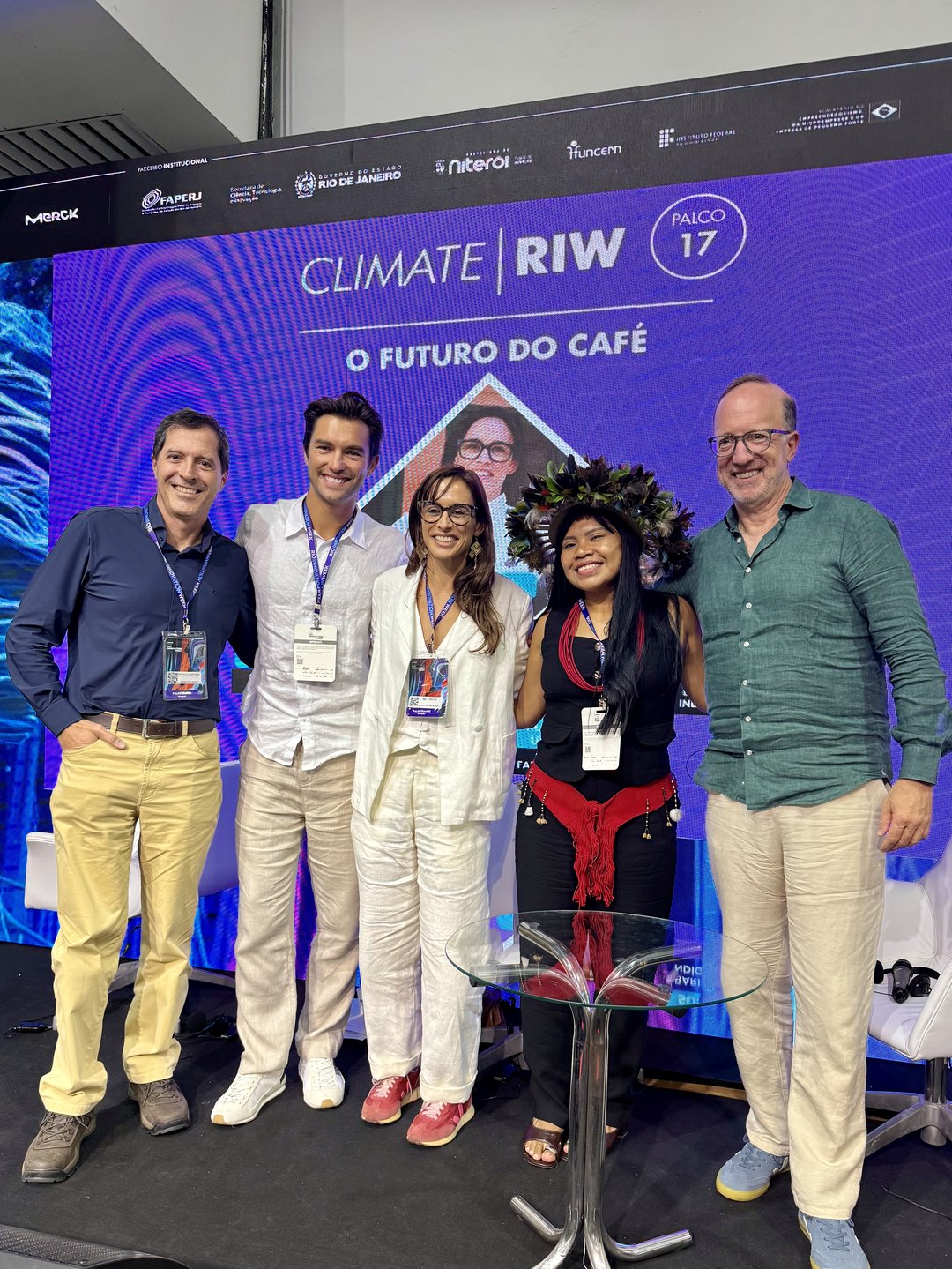
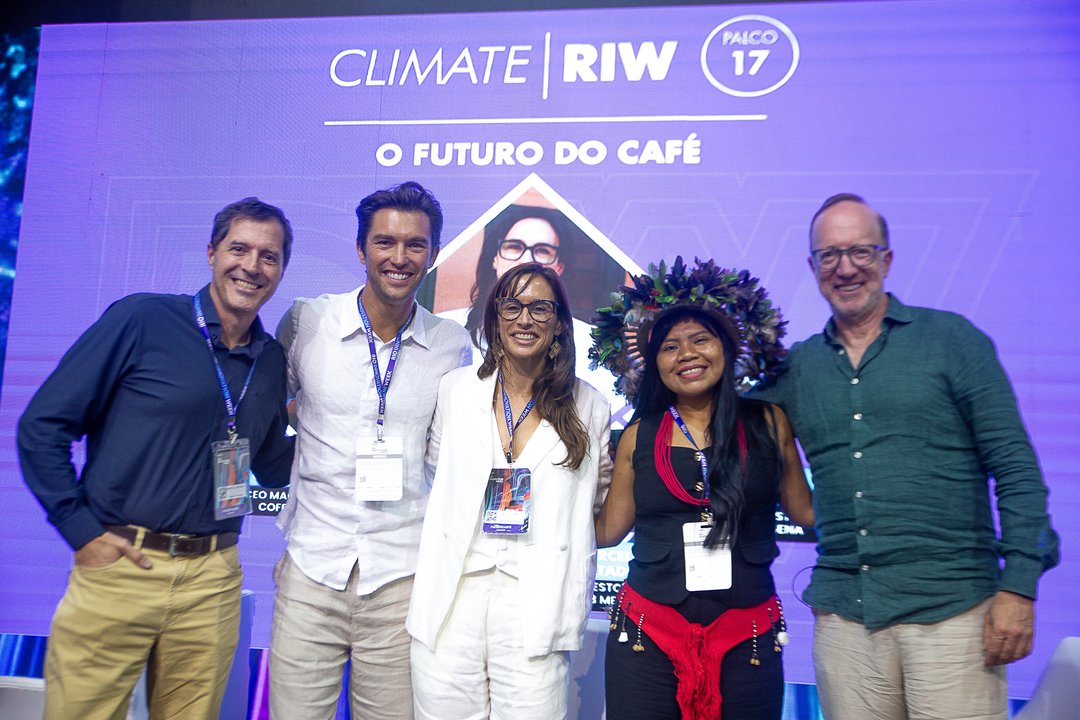
The Future of Coffee, Rio Innovation Week

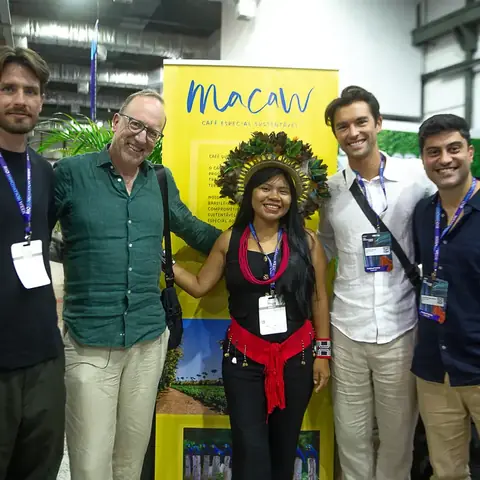
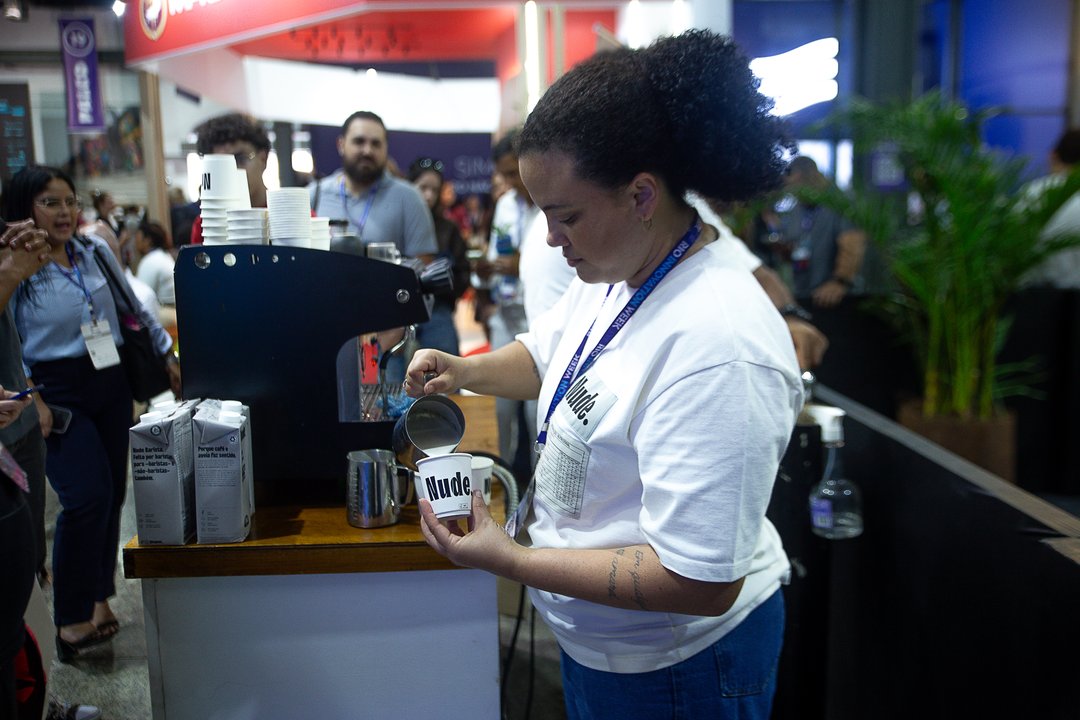
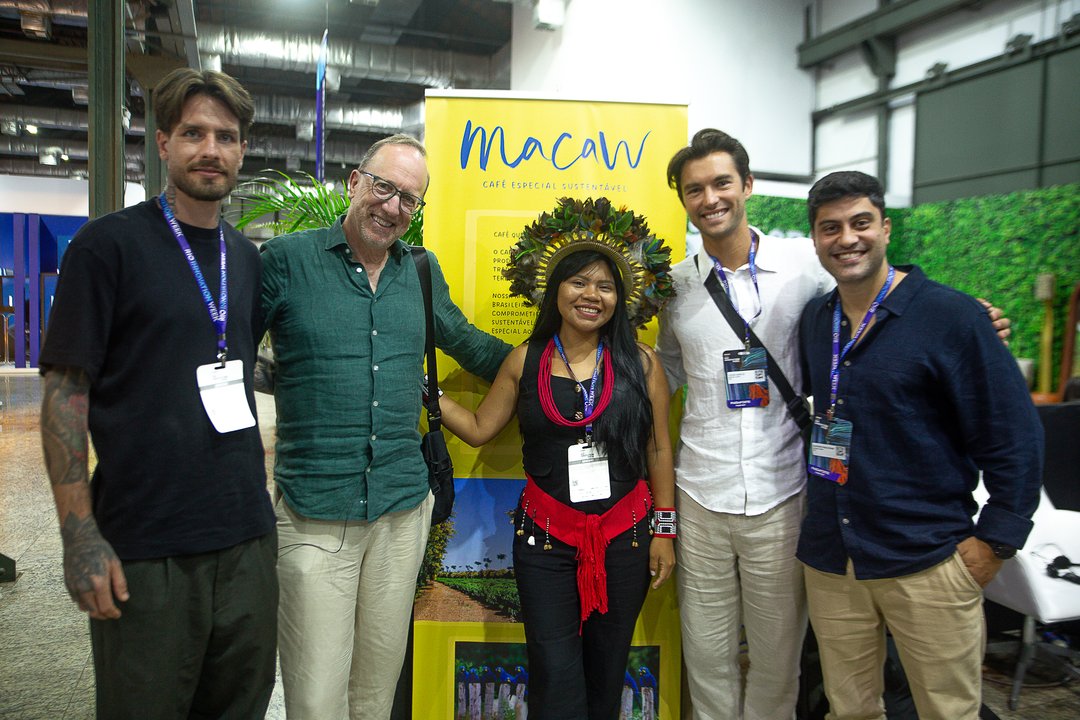
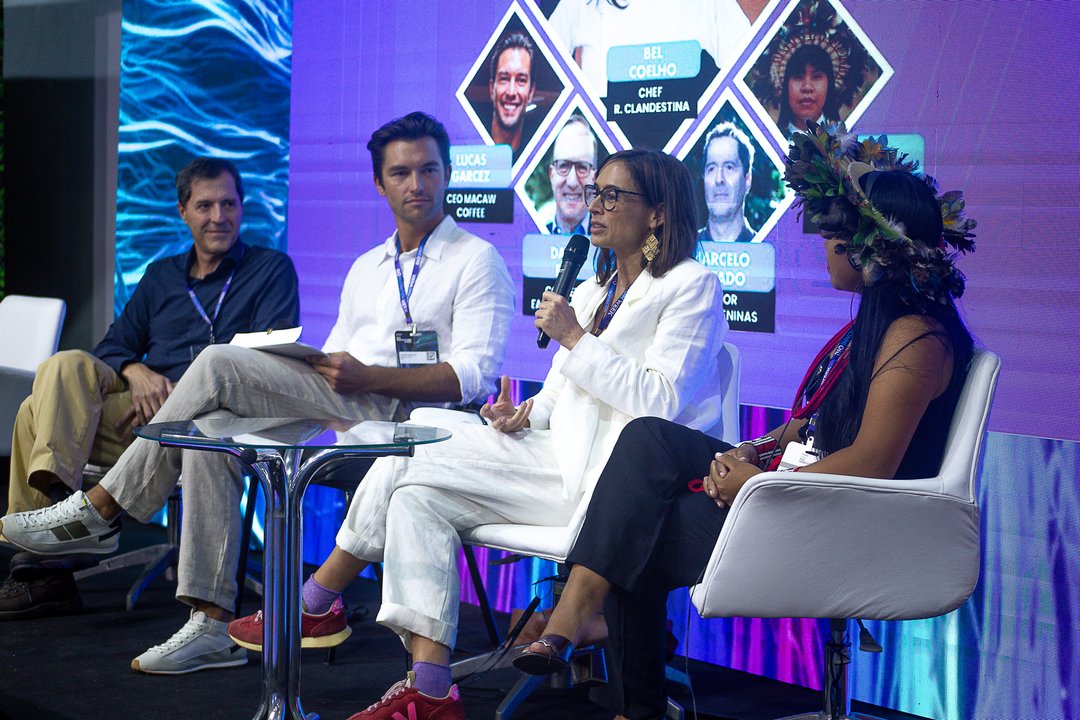
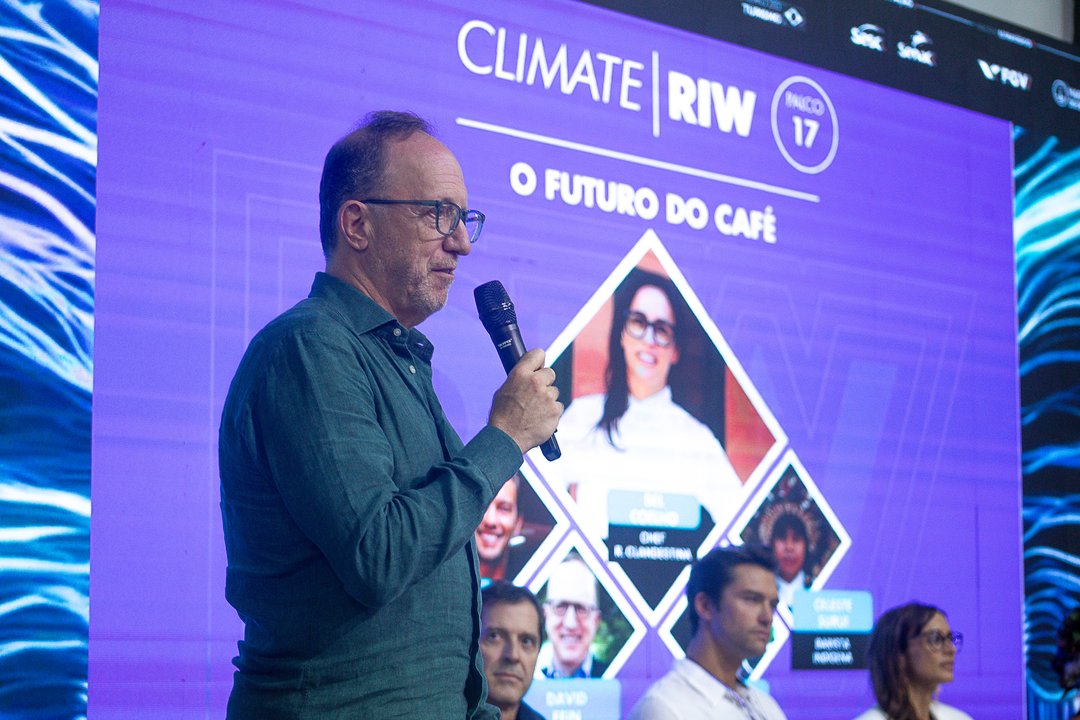
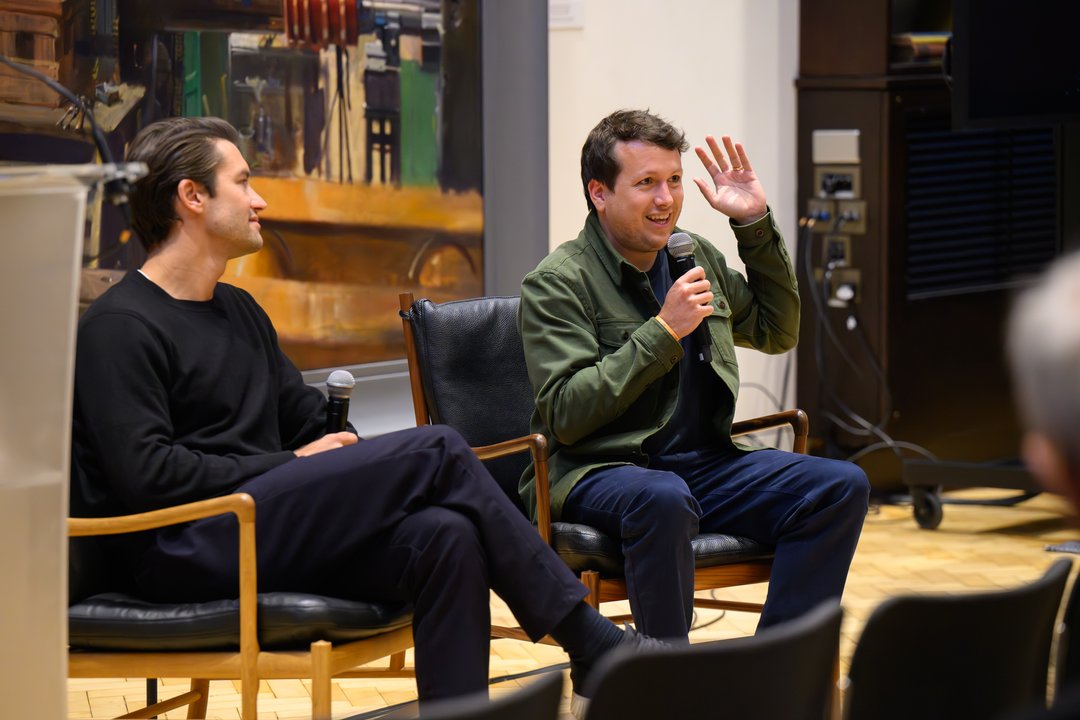
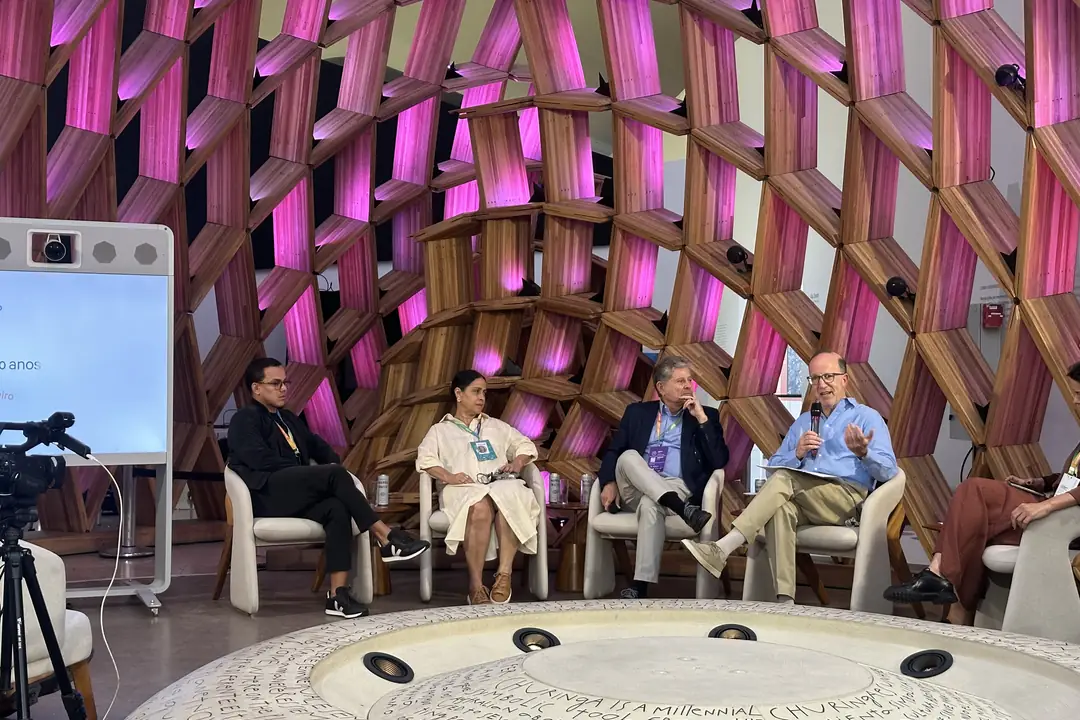
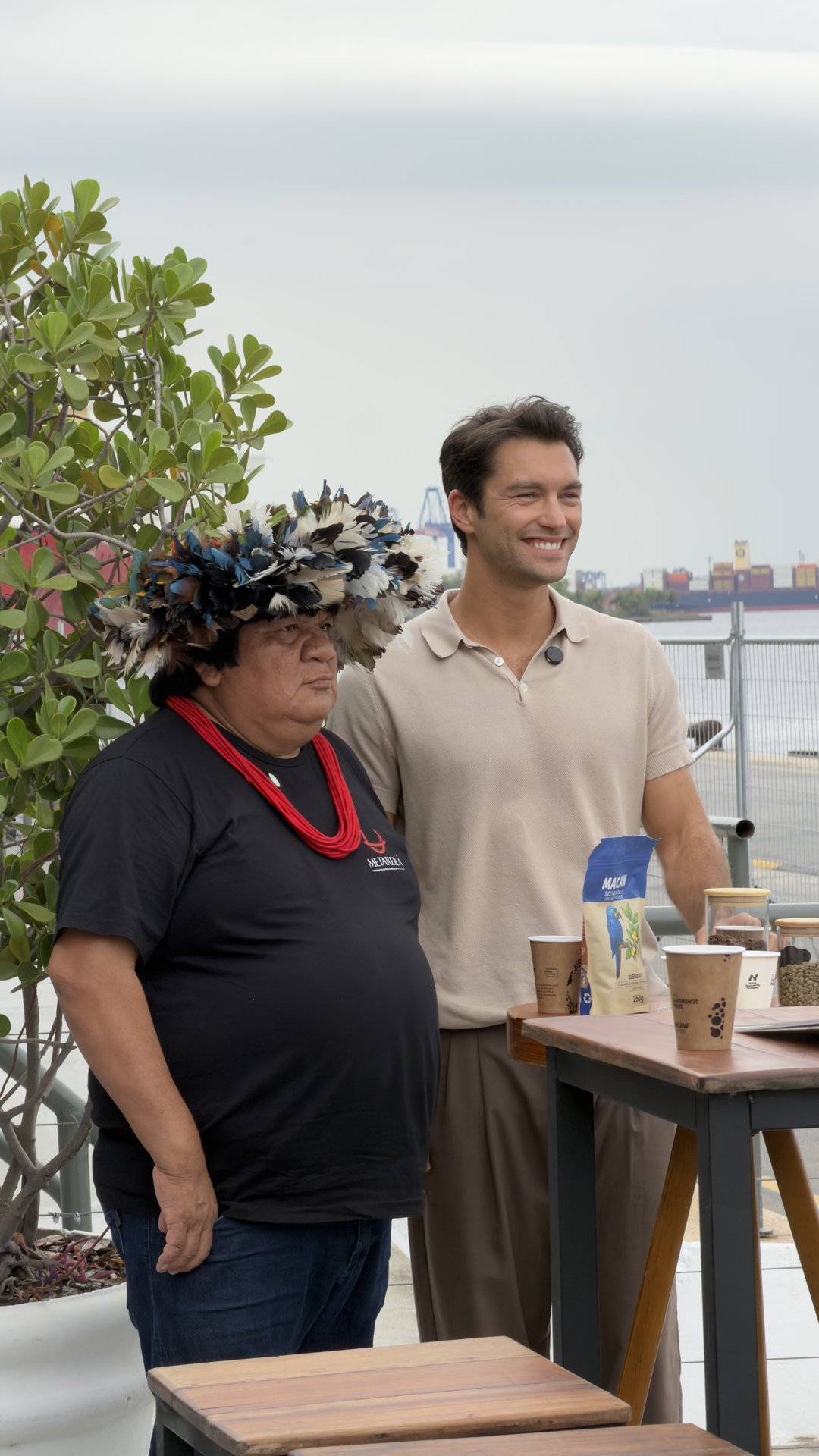
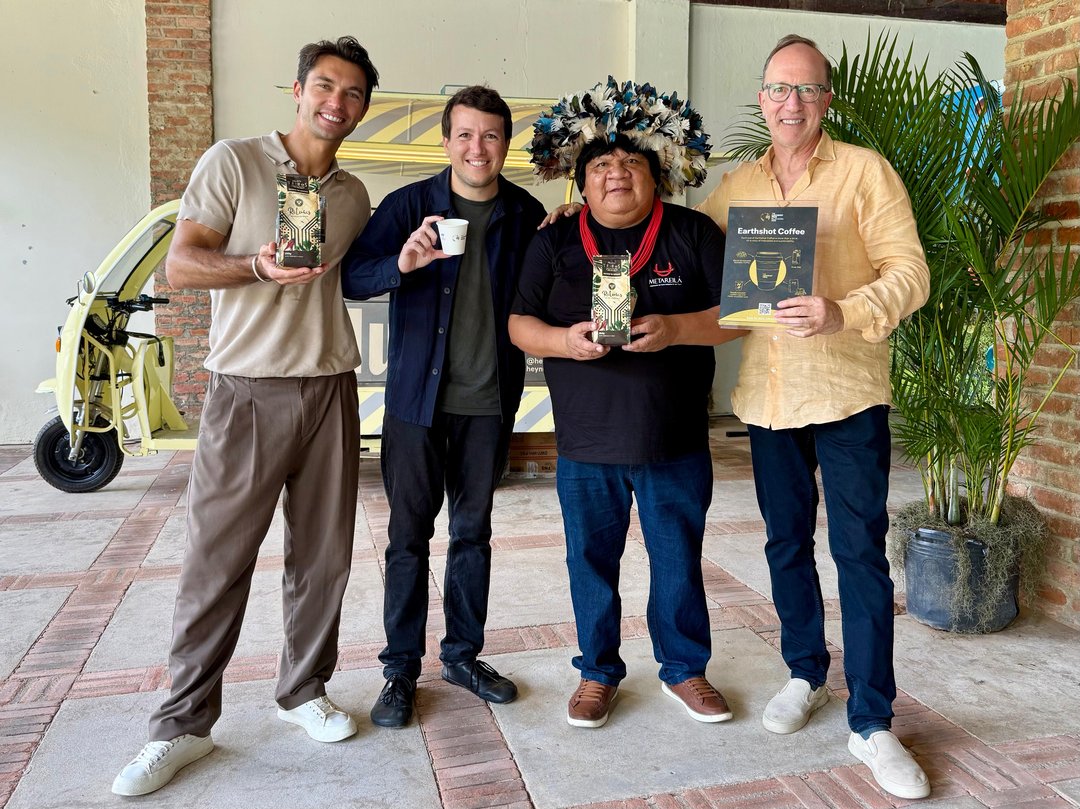
Macaw hosted The Future of Coffee, bringing together chef and gastronomy champion Bel Coelho, Brazil's first Indigenous barista Celeste Suruí, and regenerative coffee farmer Marcelo Urtado for a conversation about the future of coffee from the forest and the farm to the cup.

Curating the journey from farm to table, Lucas Garcez took guests first to Fazenda Três Meninas in Cerrado Mineiro, then to the table with Bel Coelho on food, territory and culture, and finished with the cup and Celeste Suruí. For us, the future of coffee is not only about producing better coffee. It is about building a better relationship among coffee, people and planet.

Photographs by Lorena Zschaber

August 2026

São Paulo Climate Week, Capim Santo

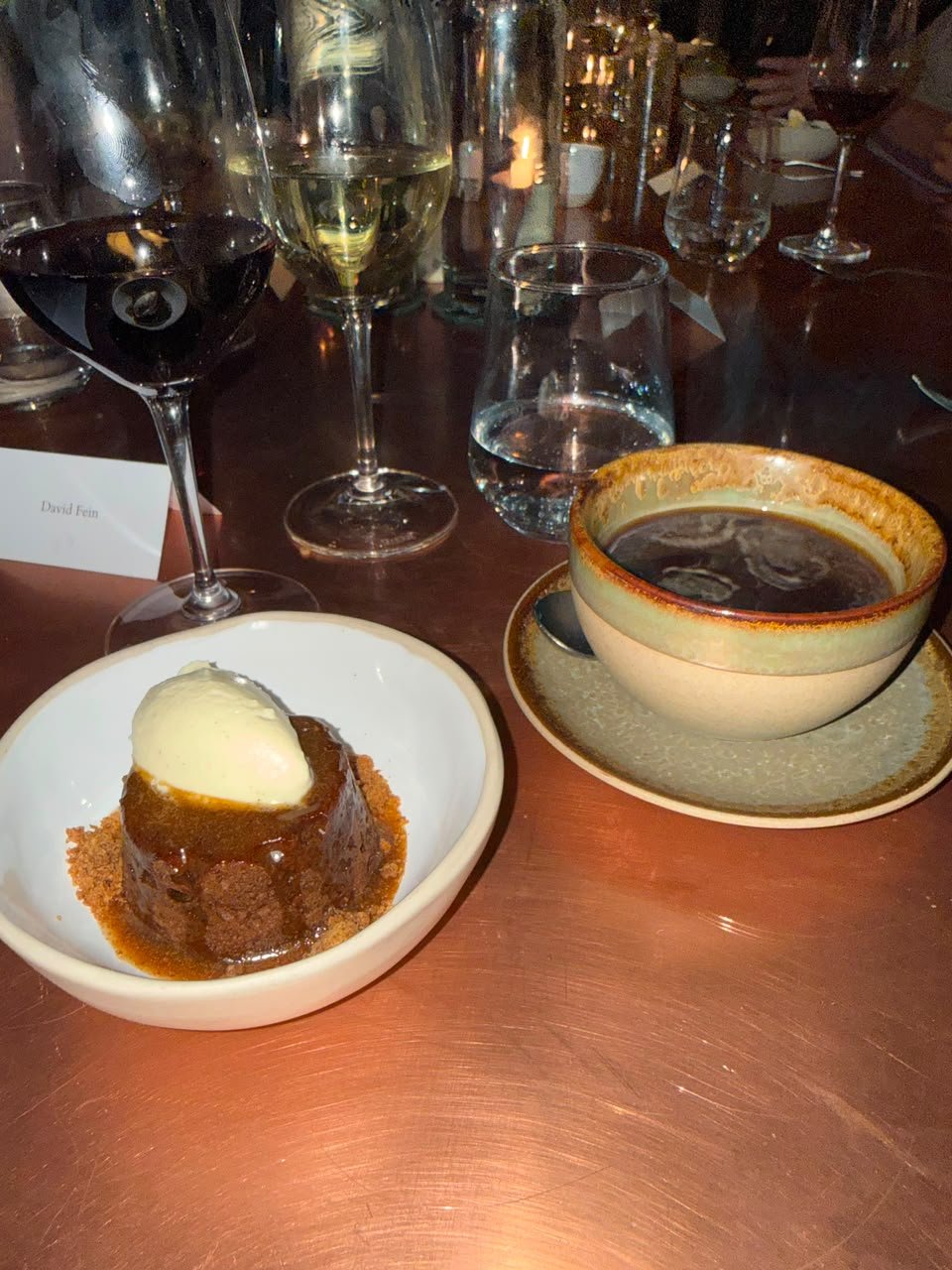
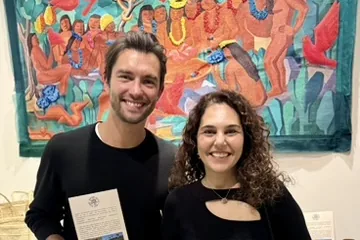
Restaurant Capim Santo was the perfect setting and host for the World Climate Foundation's Official Opening Dinner of São Paulo Climate Week, and Macaw Coffee was delighted to introduce and celebrate Fazenda Três Meninas with the esteemed guests. Paula Curiacos and Marcelo Urtado produce delicious, highly rated coffee and also something more: a sustainable system where the farm supports the farm, nature supports nature. Chef Morena Leite's mission of welcoming people, making their experiences special and spreading the roots of Brazil through gastronomy is a strong reference for Macaw Coffee. It was a pleasure for Lucas to join Paula and share this coffee experience.

7 May 2026

The Science of Coffee

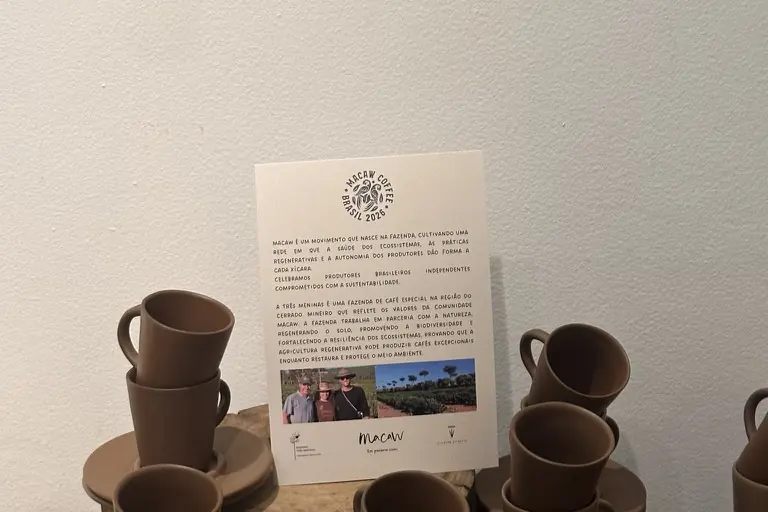
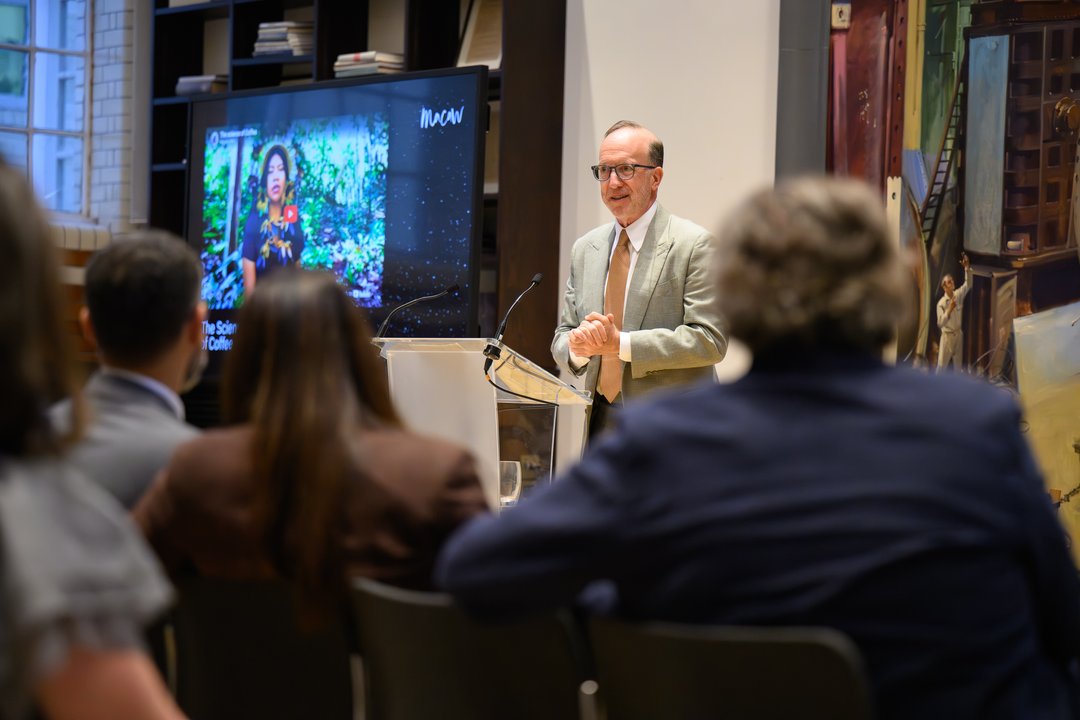
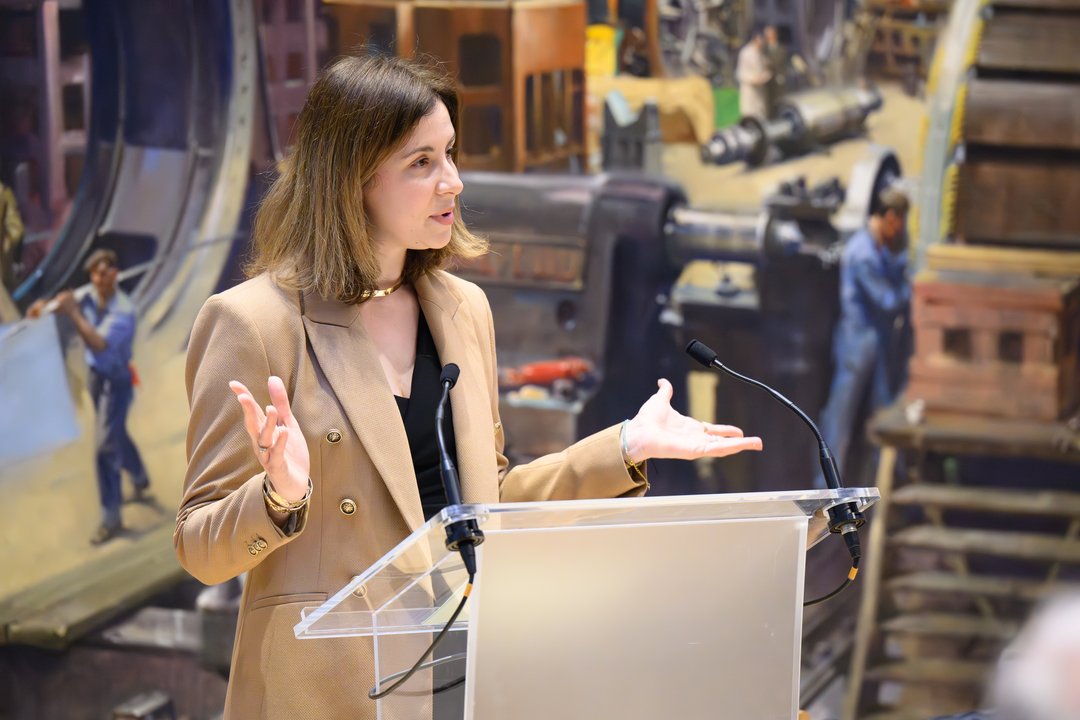
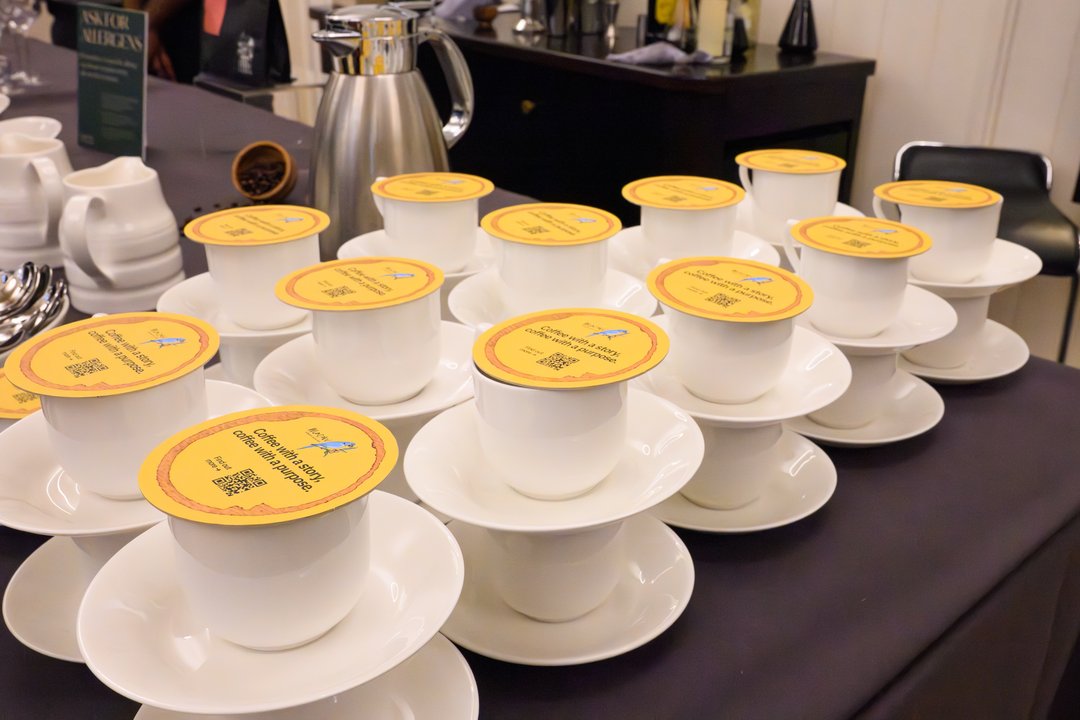
At the Science Museum, Macaw co-hosted an evening exploring the journey from bean to cup. Antonio Patriota, Brazil's Ambassador to the UK, gave the keynote, joined by sustainable Brazilian producers including the Suruí people and the Três Meninas and Das Almas farms. The evening also showcased Dengo's ethical chocolate and Notpla's seaweed-coated espresso cup, linking the science of production to the future of how coffee is consumed.

April 2026

Jaguar Rivers Initiative

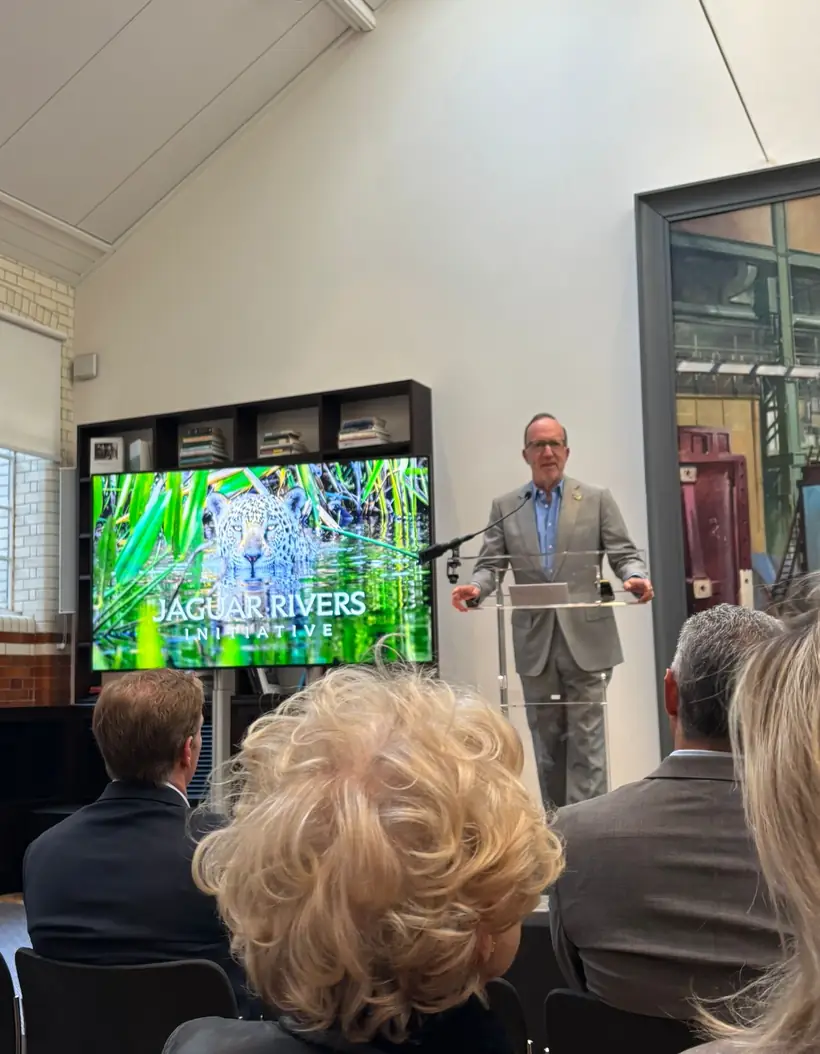
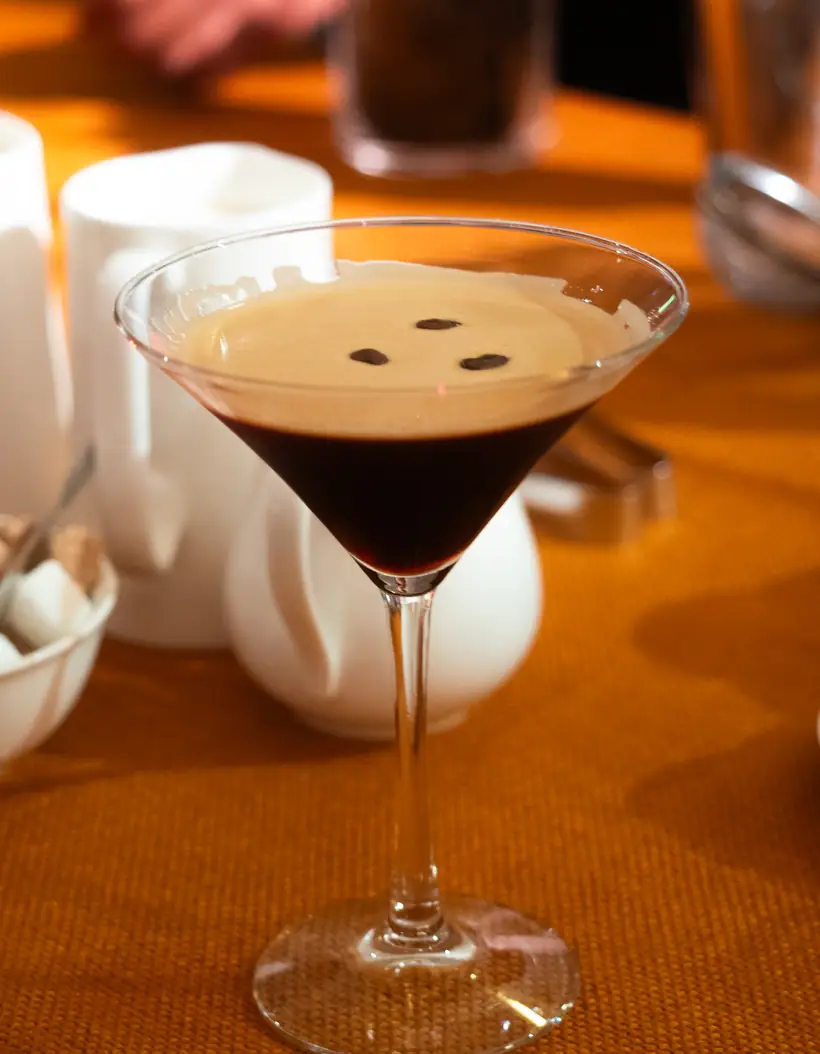
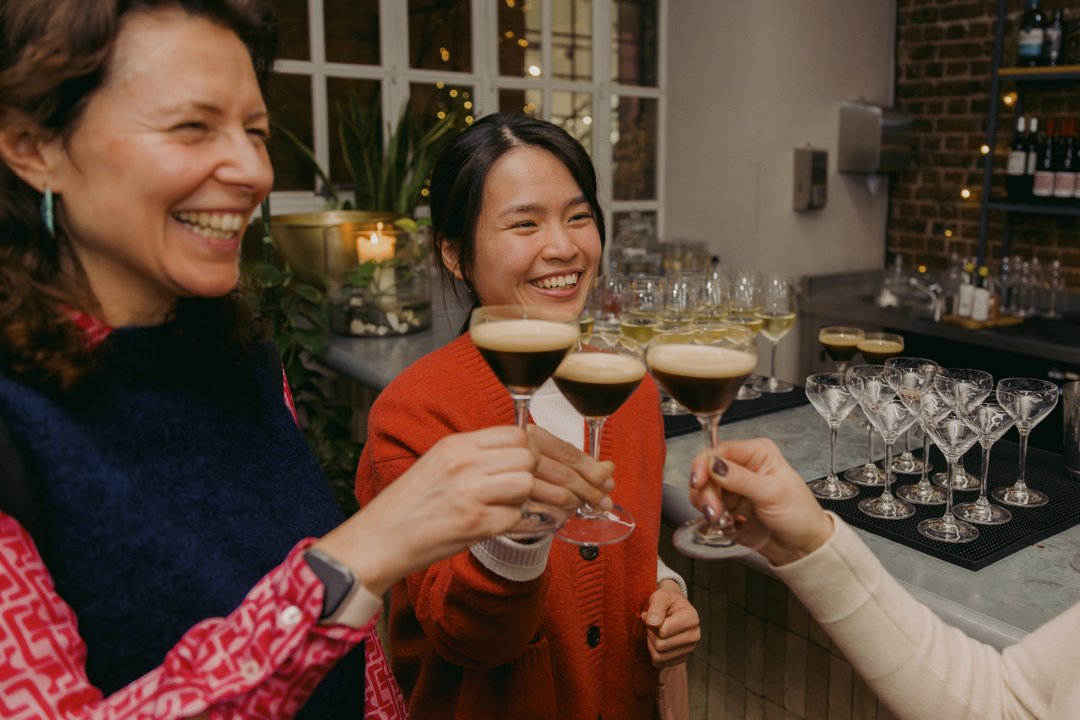
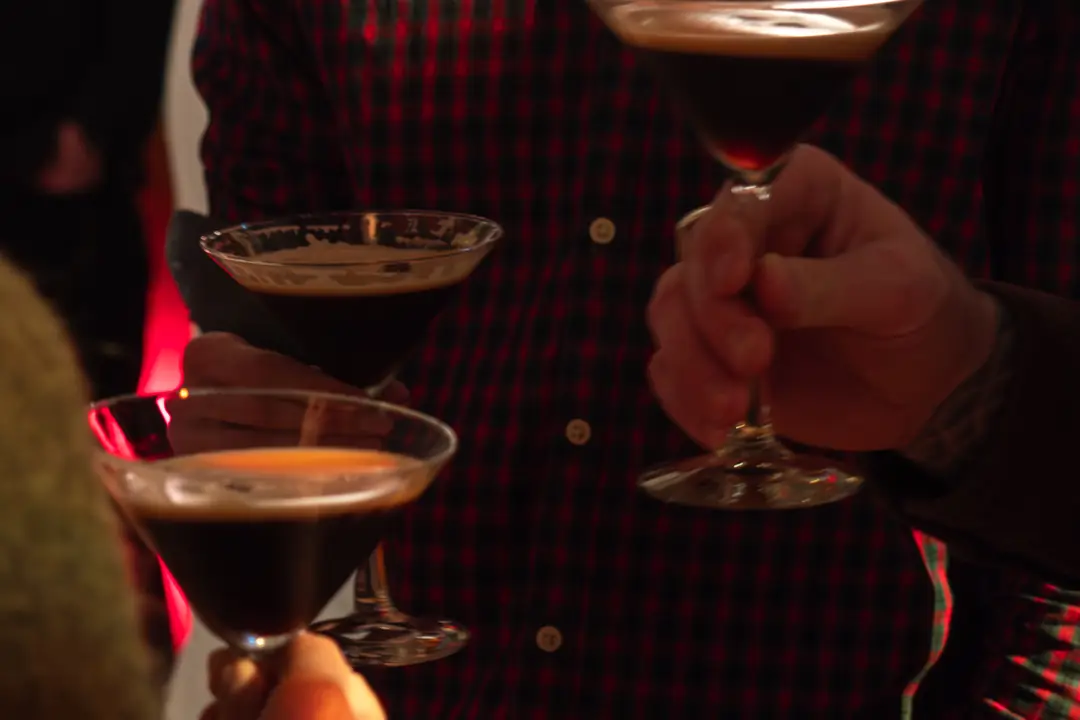
Macaw supported the London launch of the Jaguar Rivers Initiative at the Science Museum, a bold project to restore ecosystems across South America's Paraná River Basin. The event gathered conservation leaders for a panel on biodiversity and habitat regeneration, while Macaw served sustainable Brazilian coffees and espresso martinis.

March 2026

The Plastic Detox

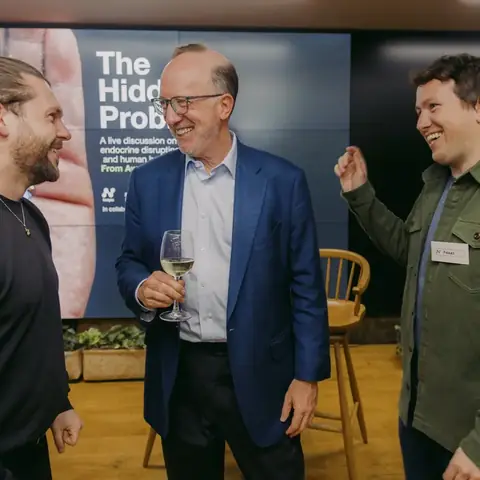
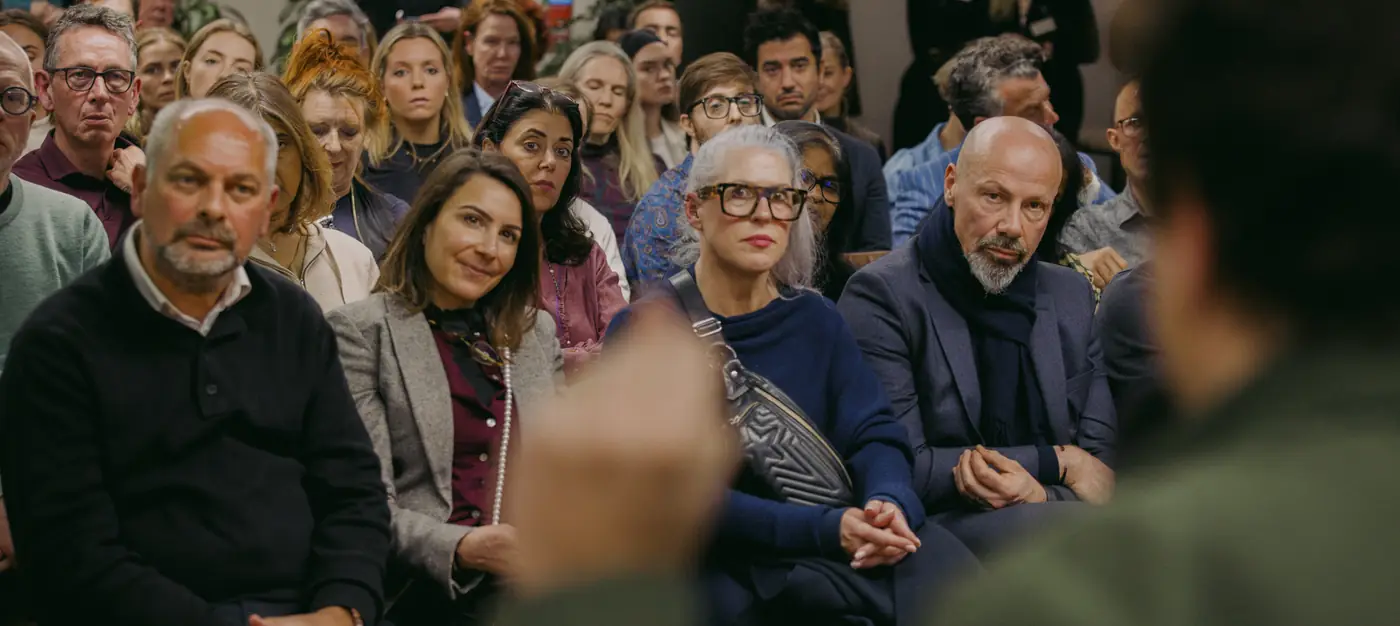
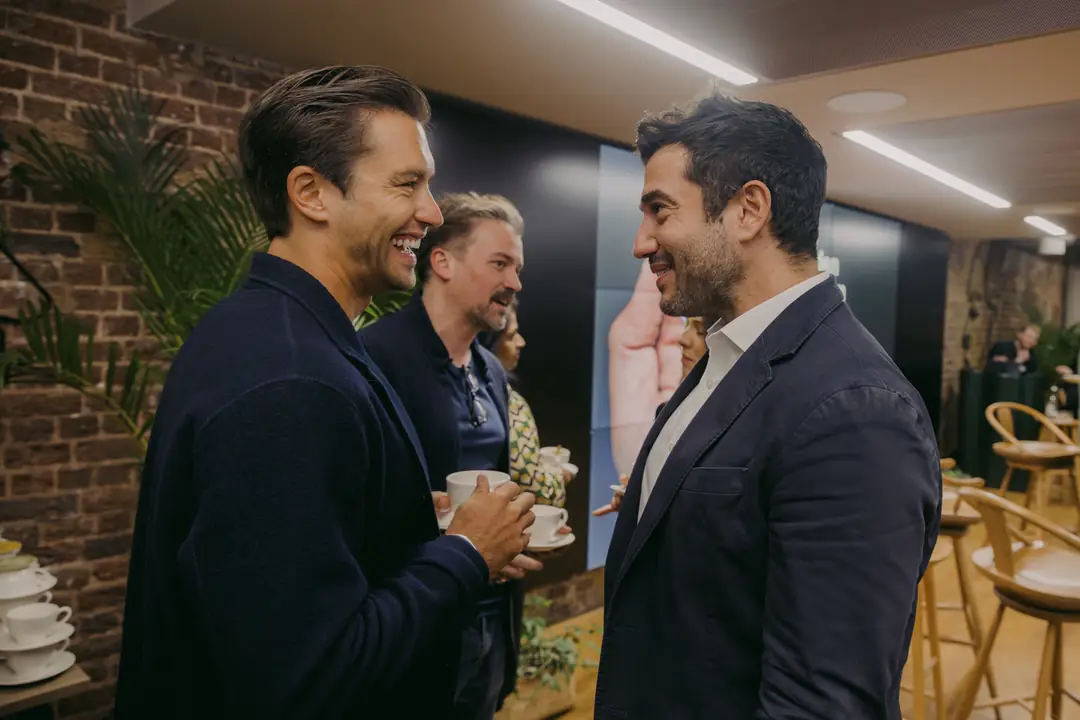
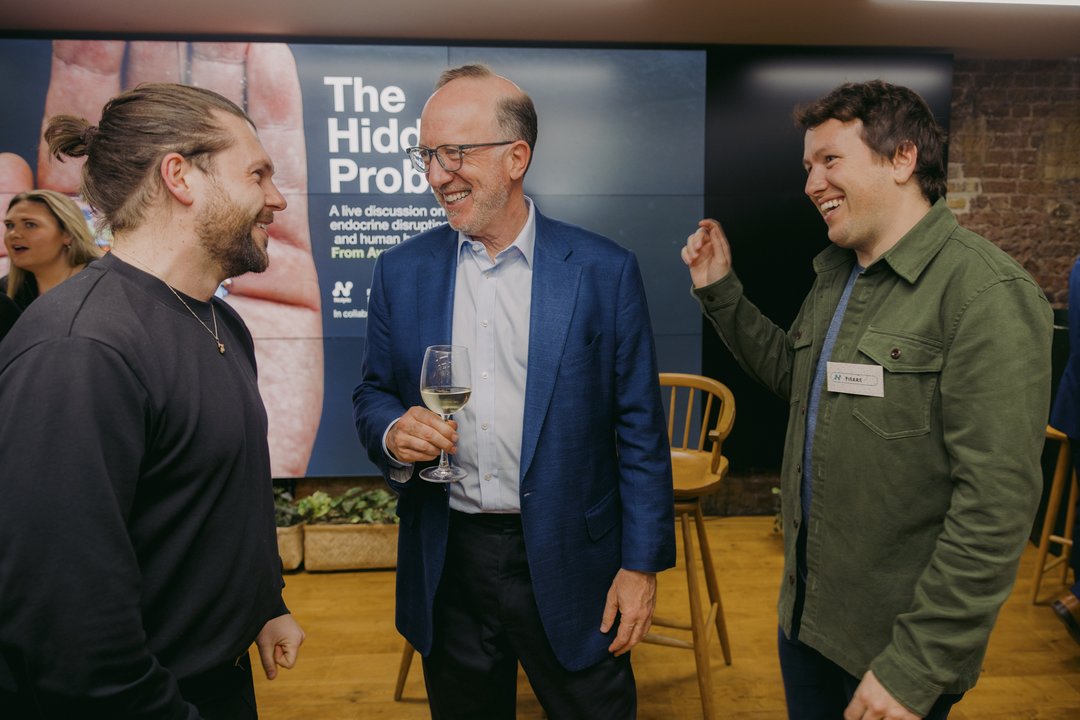
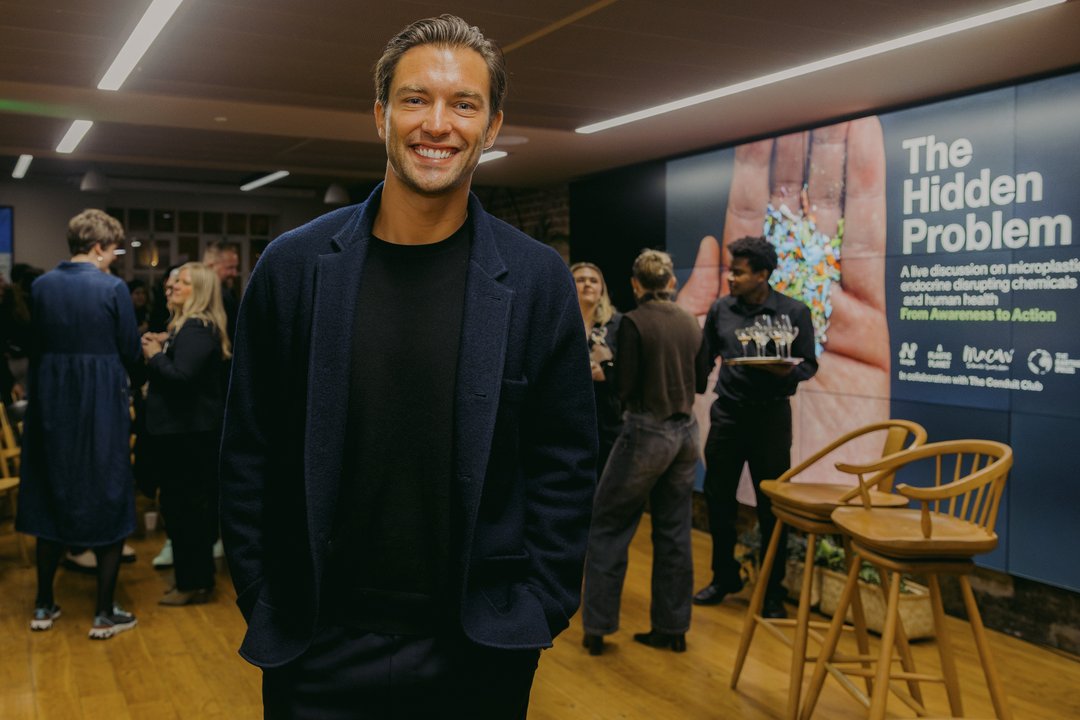
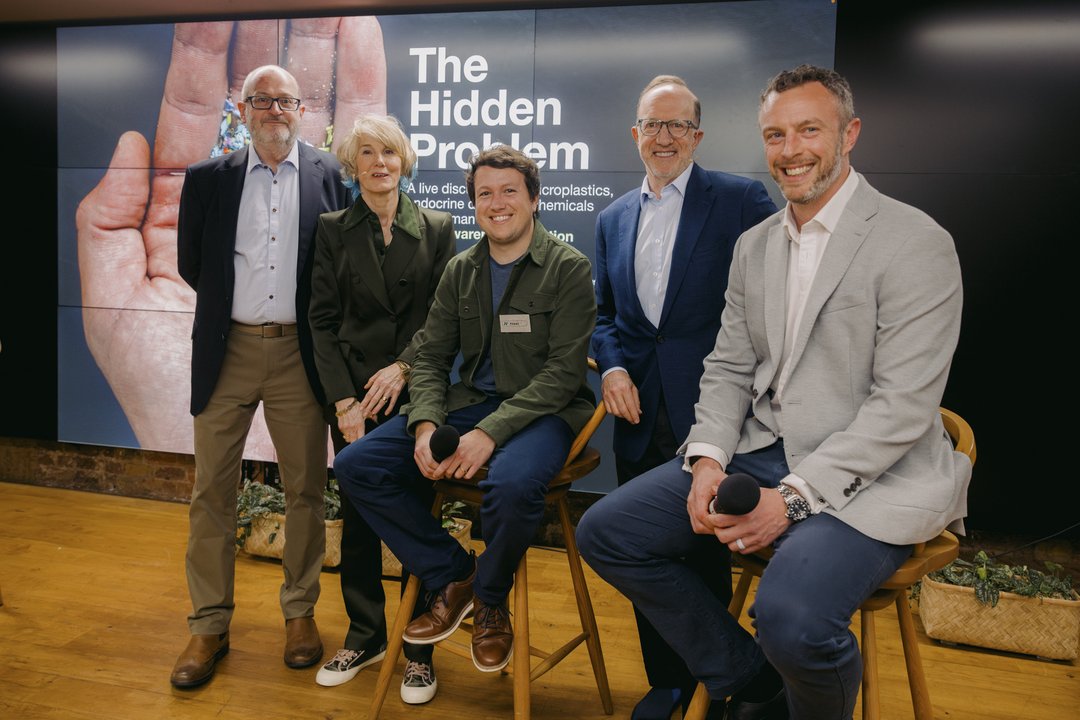
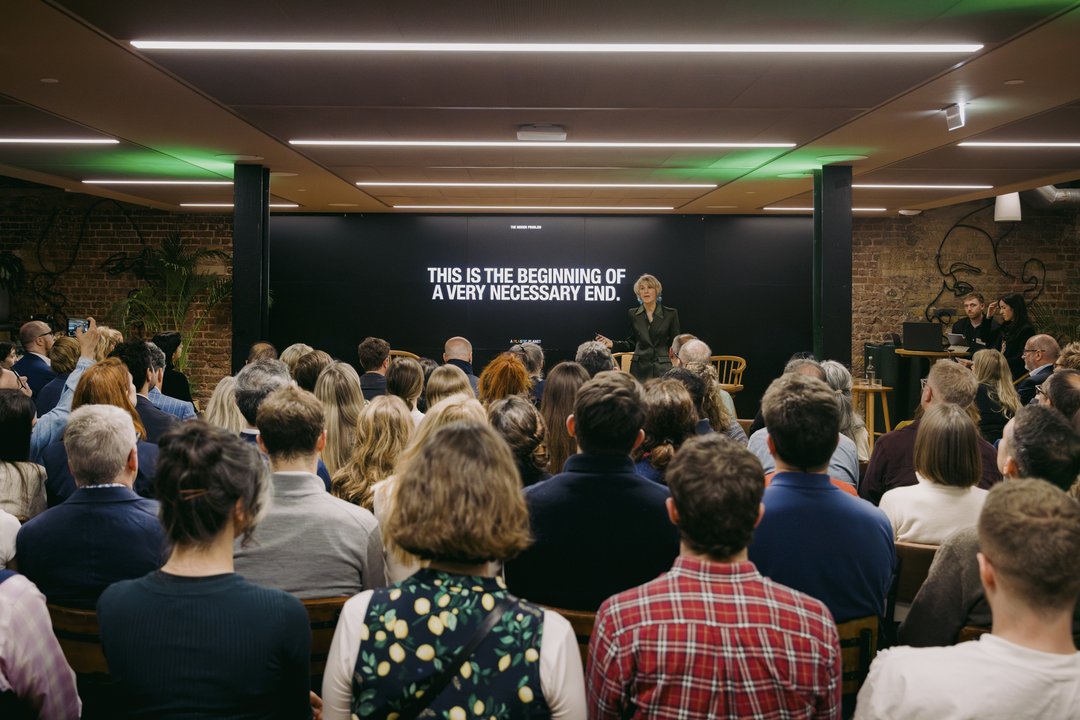
At The Conduit Club, Macaw joined a high-profile gathering for the global launch of the Netflix documentary The Plastic Detox, focused on the health impacts of microplastics. Moderated by David Fein and featuring Earthshot innovators, the event explored how plastic chemicals affect human biology, while Lucas Garcez hosted coffee and espresso martini tastings.

February 2026

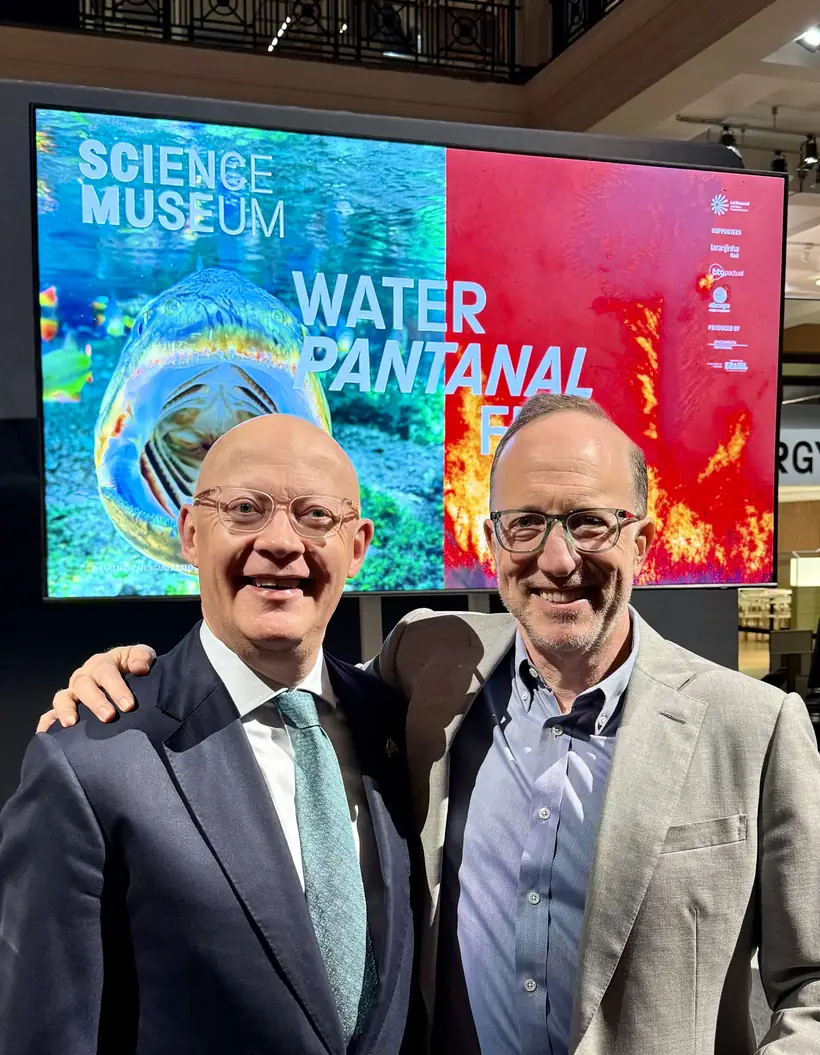
Water Pantanal Fire

Macaw supported Water Pantanal Fire, a photography exhibition at London's Science Museum highlighting the beauty and fragility of the world's largest wetland. Macaw is deeply connected to this landscape through its conservation partner Onçafari, which protects the region's wildlife including the Hyacinth Macaw Project. Macaw served Rainforest Alliance-certified coffee from the Muniz family in Notpla's plastic-free cups.

December 2025

Museu do Amanhã 10th Anniversary

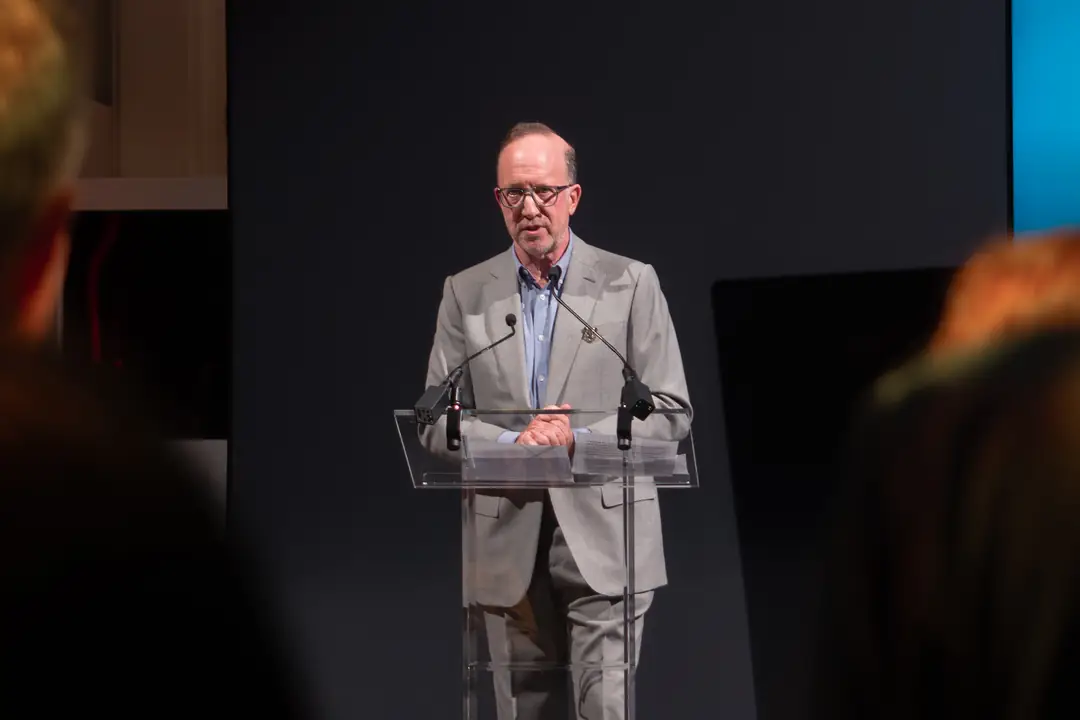
Macaw participated in the 10th anniversary of Rio's Museu do Amanhã, celebrated with a public programme and a high-profile gala dinner. Co-founder David Fein spoke on the growing partnership between The Earthshot Prize and the museum, highlighting its legacy in Brazil, while Lucas Garcez hosted coffee tastings that connected guests directly to the stories and landscapes behind each cup.

November 2025

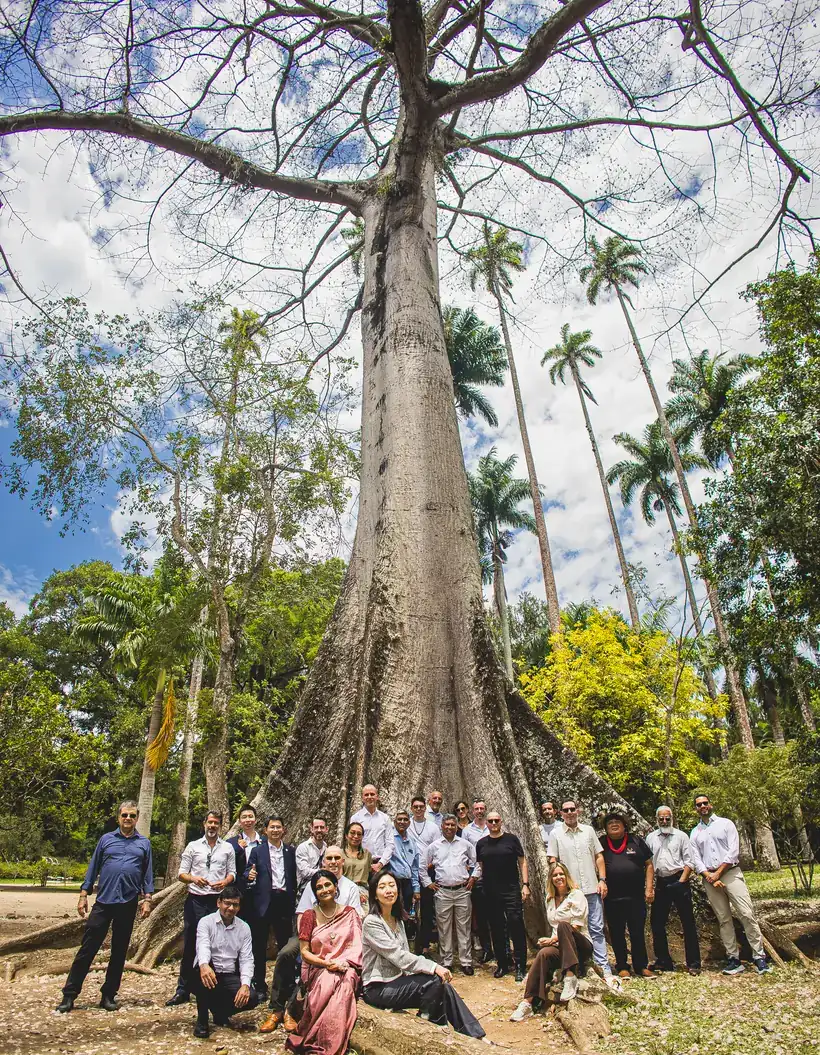
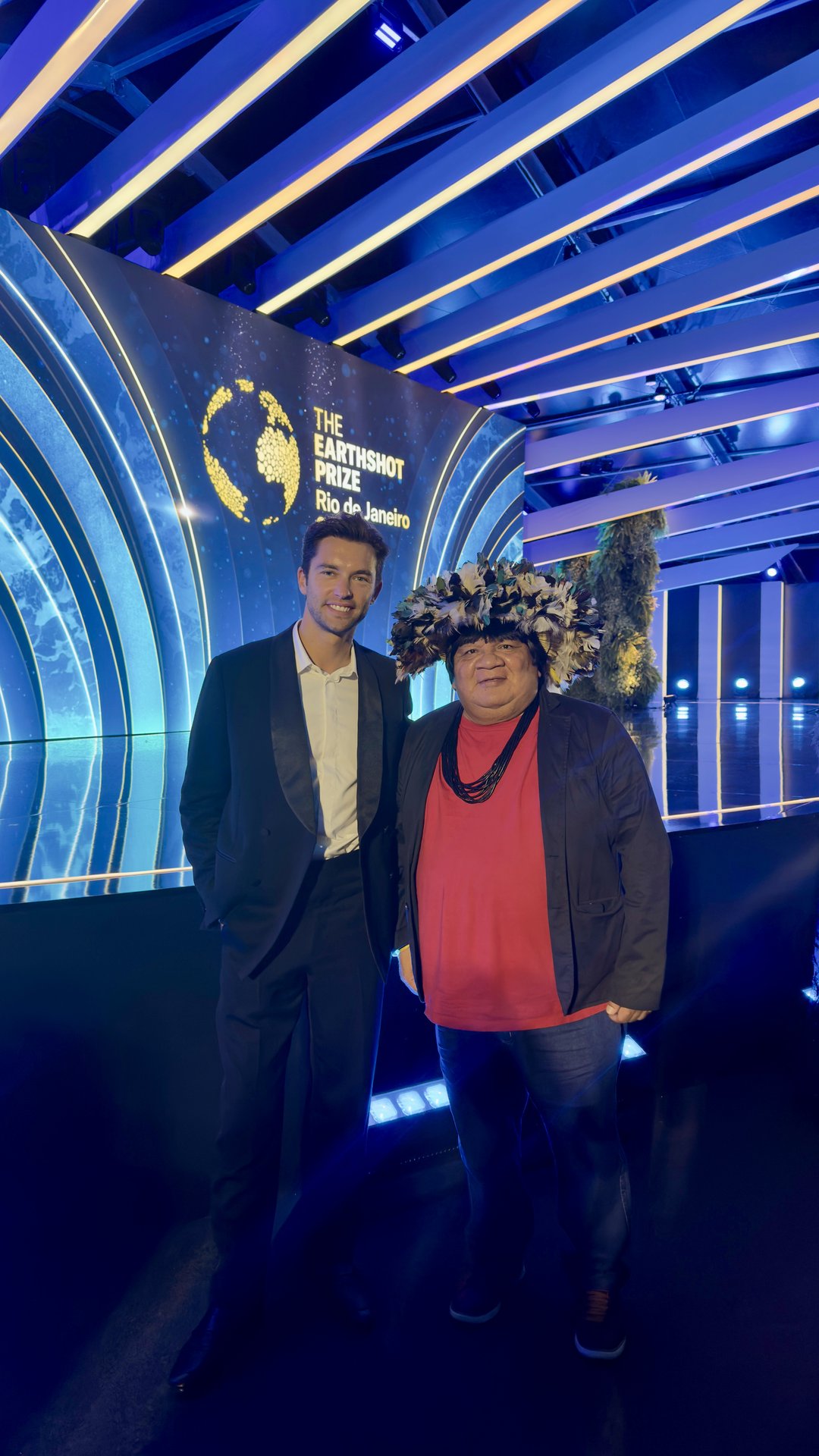
Macaw at Earthshot

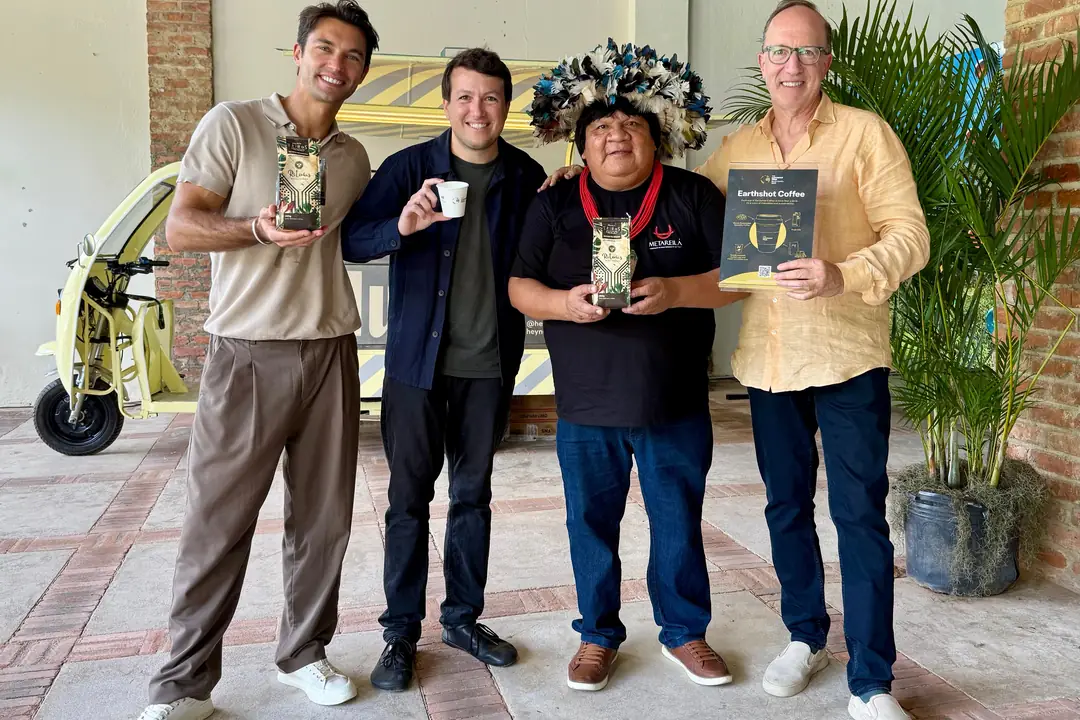
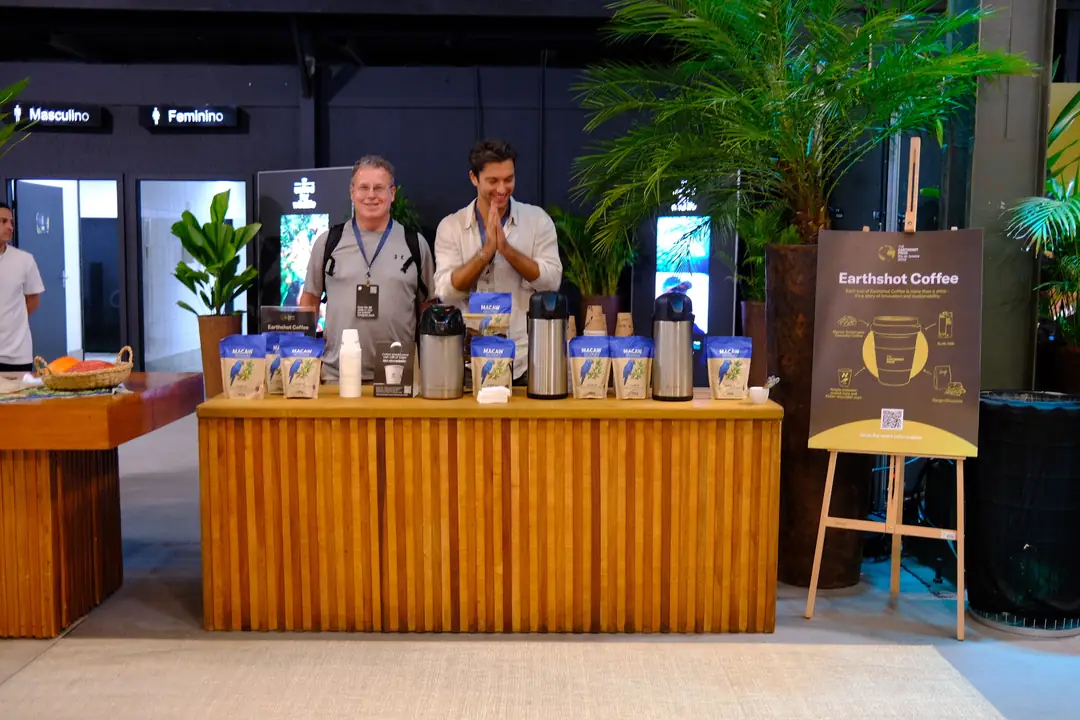
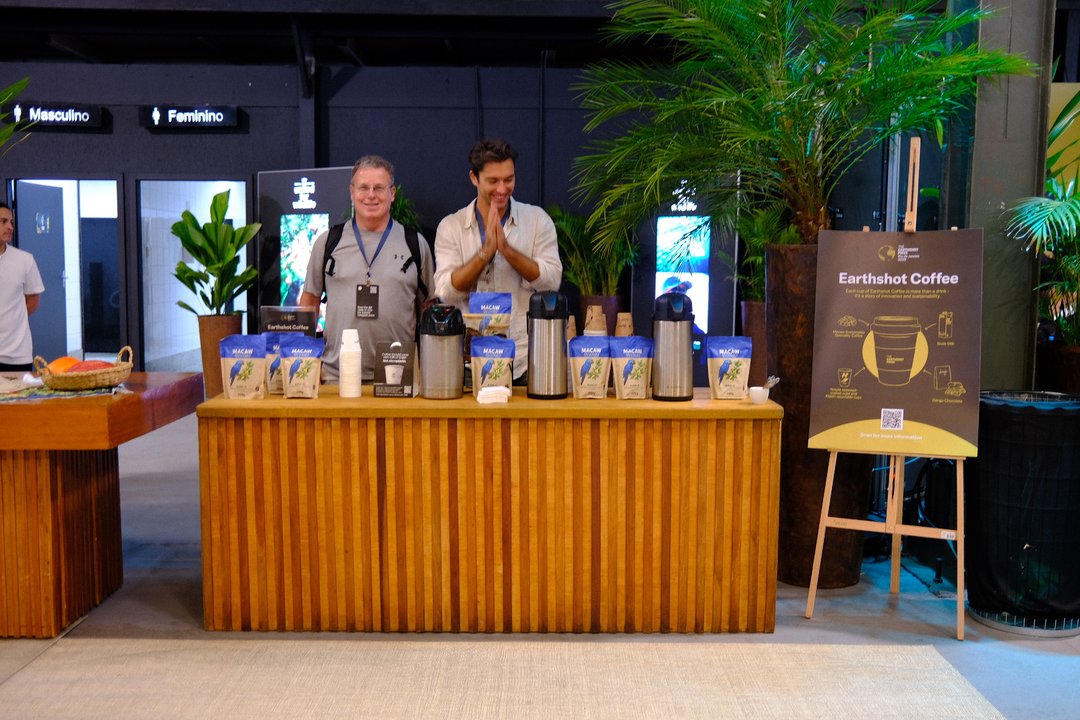
Throughout the Earthshot Summit, from high-level meetings to Awards Night at the Museu do Amanhã, Macaw maintained a constant presence, including at the new open-air Earthshot Boulevard. Across all events Macaw created moments of connection around coffee, bringing the Earthshot community together through a shared experience that linked local origins to global climate ambition.